



Why Joint Longevity Matters More Than Short-Term Performance
Athletes often focus on strength, speed, and endurance, but long-term joint health is what determines how long they can keep training at a high level. The knees, in particular, endure constant stress from running, jumping, lifting, and sudden changes in direction.
While short-term performance gains are important, they can come at a cost if recovery is ignored. Over time, repetitive strain builds up in the knee joint, leading to stiffness, reduced mobility, and increased risk of overuse injuries. This is why many experienced athletes shift their focus toward joint longevityand knee massager uk in a way that allows them to stay active for years, not just seasons.
One increasingly popular recovery habit supporting this goal is the daily use of a knee massager.
The Daily Strain on Athletic Knees
Every athletic movement places load on the knee joint. Squats compress it under heavy weight, running applies repetitive impact, and sports like basketball or football add twisting and directional stress.
Even when no injury is present, this constant loading creates micro-tension in surrounding muscles such as the quadriceps, hamstrings, and calves. If this tension is not managed regularly, it begins to affect joint alignment and movement efficiency.
Over time, the result is a gradual decline in flexibility and comfort, even in highly trained athletes.
How a Daily Knee Massager Supports Longevity
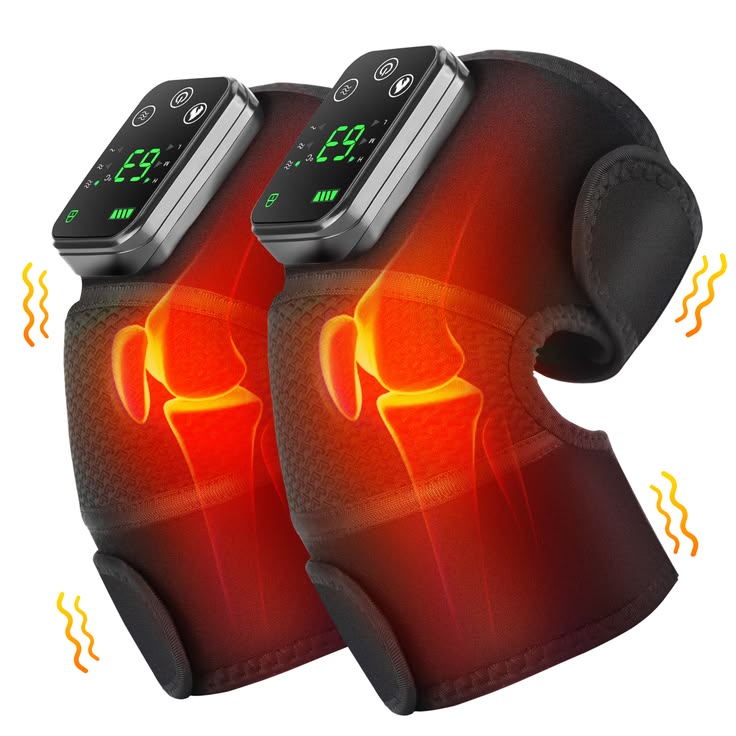
A daily knee massager works by delivering controlled compression, heat, or vibration to the muscles surrounding the knee joint. The goal is not aggressive treatment but consistent maintenance.
One of its most important benefits is improved circulation. Daily stimulation helps keep blood flow active in the lower body, ensuring that oxygen and nutrients reach tired tissues while supporting natural recovery processes.
It also helps reduce chronic muscle tightness. When muscles around the knee remain relaxed, they place less uneven pressure on the joint, allowing smoother and more natural movement patterns during training.
Heat-based features further enhance tissue flexibility, making it easier for the knee to move without resistance. Over time, this reduces the buildup of stiffness that often comes from repetitive training.
Preventing Long-Term Wear and Tear
Joint longevity is not about avoiding exercise—it is about managing stress effectively. A daily knee massager helps distribute and reduce accumulated tension before it becomes a long-term issue.
By regularly relaxing overworked muscles, it minimizes uneven loading on the knee joint. This is especially important for athletes who perform high-impact or high-volume training, where repetitive strain can gradually affect cartilage and connective tissues.
Consistent recovery support also helps reduce inflammation buildup. While inflammation is a natural response to training, excessive or unmanaged inflammation can contribute to discomfort and reduced mobility over time.
Enhancing Recovery Consistency
One of the biggest challenges athletes face is maintaining consistent recovery habits. Stretching, mobility work, and rest are often overlooked during busy training schedules.
A knee massager simplifies recovery by providing a quick and accessible daily routine. Even short sessions can help reset muscle tension and promote relaxation after training or long periods of activity.
This consistency is what makes it valuable for long-term joint care. Instead of waiting for pain or stiffness to appear, athletes proactively manage knee health every day.
Supporting Performance Through Better Movement
Healthy joints directly influence performance. When the knees move smoothly without stiffness or restriction, athletes can generate more power and maintain better control during movement.
A daily knee massager helps maintain this smooth function by keeping surrounding muscles relaxed and responsive. This improves movement efficiency during squats, sprints, jumps, and directional changes.
Over time, better joint mobility can also reduce compensatory movement patterns, where other muscles overwork to protect a stiff or fatigued knee.
How Athletes Use a Knee Massager Daily
A typical daily routine does not require long sessions. Most athletes use a knee massager for 10 to 15 minutes once or twice a day, depending on training intensity.
After workouts, it helps reduce immediate tightness and supports faster recovery. On rest days, lighter sessions help maintain flexibility and prevent stiffness from building up.
The key is consistency rather than intensity. Gentle, regular use provides more benefit than occasional deep or intense sessions.
Safe Use for Long-Term Benefits
Even though a knee massager is generally safe, proper usage is important. Intensity should always match comfort levels, and the device should never cause pain or irritation.
It should be used around the knee rather than directly applying excessive pressure to sensitive areas. If discomfort increases, usage should be adjusted or paused.
When used responsibly, it becomes a sustainable part of an athlete’s long-term recovery strategy.
Conclusion
Joint longevity is a critical factor in athletic performance and long-term physical health. While training builds strength, recovery preserves the ability to continue training over time.
A daily knee massager offers a simple but effective way to support this balance. By improving circulation, reducing muscle tension, and maintaining mobility, it helps protect the knees from the cumulative effects of athletic stress.
For athletes committed to staying active for years, not just seasons, consistent knee care is not optional—it is essential.
