



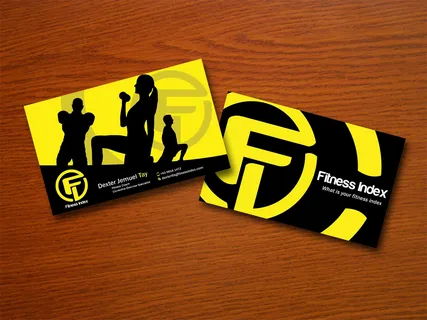
Why do gyms work hard to sign up new members, only to watch many of them cancel within a year? Growth in fitness depends on two things: bringing new members through the door and keeping current members coming back. Physical membership tools play a bigger role in both than most owners expect. Card and key tag printing gives gyms and clubs a practical way to speed up check-ins, protect access, and stay in front of members between visits. The tag on a keyring or the card in a wallet becomes a daily link between the member and the club.
Growth Challenges for Gyms and Clubs
Demand for fitness memberships is at a record level. The report finds that 81 million Americans belonged to a gym, studio, or other fitness facility in 2025, the highest number the industry has seen. Strong demand also brings strong competition, and members can switch clubs easily when another option feels more convenient.
For most clubs, growth depends less on sign-ups and more on keeping members active after the first few months. Physical tools from card and key tag printing support that goal at several points in the member journey, from the first check-in to the renewal decision. A well-designed card program also gives owners a simple way to attract new members while serving current ones.
Faster Gym Check-Ins
Front desk lines are one of the first things new members notice, especially during morning and evening rush hours. Scannable cards and gym key tags let members check in with a single swipe or scan, and staff can confirm the membership in seconds. Faster entry improves the experience in several ways:
- Shorter lines at peak hours
- Less staff time spent searching for accounts
- Accurate visit records for all members
- More time for staff to greet and help members
Quick check-ins leave members with a positive first impression of the visit. That smooth start also frees staff to focus on service instead of paperwork.
Front Desk Tip
Hand new members their tag at sign-up and scan it right away. The first scan starts the check-in habit on day one.
Access Control for Clubs
Clubs need a simple way to confirm that the person at the door is a paying member. Encoded cards and tags handle that check automatically and protect the value of the membership.
Member Verification
Barcodes and magnetic stripes link the card or tag to a single member account. Staff can see the member’s name and status after a scan, and pass sharing becomes harder. Front desk teams no longer need to rely on memory or paper lists to confirm who belongs inside.
Accurate verification protects revenue that would otherwise be lost to shared or expired memberships. Members also feel more secure knowing that only paying guests can enter the facility. That sense of security adds value to the membership and supports renewals.
Area Access by Membership Level
Clubs with premium areas can link access to the membership level stored on the account. Common examples include:
- Pool and spa areas
- Group fitness classes
- After-hours entry
- Private training rooms
Tiered access gives members a clear reason to upgrade. The club also gains better control over busy or premium spaces.
Member Retention With Gym Key Tags
Early motivation drops quickly for many new members. Among people new to exercise, 31% report losing motivation within the first few weeks of starting a routine. The first months often decide whether a member stays or cancels.
Key tags help because they stay on the keyring and appear whenever a member reaches for the car keys. That daily reminder keeps the gym in mind on days when motivation is low. Branded gym membership cards in the wallet offer the same reminder at checkout counters and during daily errands.
Tiered Membership Cards
Tiered memberships raise revenue per member, and printed cards make those tiers visible. Clubs often use three card features to support upgrades:
- Color tiers: Different colors for basic, premium, and VIP levels show status at a glance. Members notice the difference and often aim for the next level.
- Upgrade prompts: The back of the card can list the perks of the next tier. That message reminds members of what they gain by upgrading.
- Premium finishes: Metallic inks or matte finishes give top-tier cards a more exclusive feel. The card itself becomes part of the premium experience.
Visible tiers turn the membership card into a quiet sales tool. Upgrades add recurring revenue without the cost of finding a new member.
Gym Gift Cards and Guest Passes
New members often arrive through someone they already know. Gift cards and guest passes give current members an easy way to introduce friends and family to the club. Printed guest passes and trial tags feel more official than a coupon, and the club’s branding stays with the recipient until the first visit.
Gift cards also sell well during the holidays and the New Year, when interest in fitness peaks. Clubs can pair a gift card with a first-visit offer to turn the gift into a full membership. Staff can then follow up with recipients after the first visit and present membership options in person.
Referral Key Tags for Club Growth
Combo cards with one card and two key tags turn members into active recruiters. Referral programs built around these combos usually follow four steps:
- Give new members a combo card at sign-up
- Keep one tag for check-ins and offer the second to a friend
- Scan the friend’s tag for a free trial or discounted first month
- Reward the referring member with a perk or account credit
Unique tag numbers show which members bring in the most referrals. Clubs can then recognize those members and strengthen their loyalty.
Visit Data From Member Scans
Scans record visits, and that data helps clubs spot problems before members cancel. Useful insights from scan records include:
- Visit frequency by member
- Drops in attendance over recent weeks
- The busiest days and class times
- Members who have not visited in two weeks
Clubs can use these records to reach out to members whose visits are slipping. A timely call, email, or class invitation can bring a member back before the cancellation request arrives.
Brand Visibility Outside the Gym
A gym’s marketing does not stop at the front door. Cards and key tags carry the club’s logo into places that paid ads rarely reach, and that steady exposure supports long-term growth.
Keyring Exposure
Members handle their keys many times a day at work, in stores, and at home. A branded key tag travels with those keys and places the club’s logo in front of friends, coworkers, and family members. Unlike a flyer or social post, the tag stays in view for months or years after sign-up. That long life gives the club a steady form of advertising without extra spending.
Word-of-Mouth Recognition
A visible logo often starts conversations about fitness routines and local clubs. When a coworker notices the tag and asks about the gym, the member becomes a personal reference for the brand. Prospects tend to trust recommendations from people they know more than standard advertising. These conversations can lead to guest visits, trial passes, and new memberships over time.
Consistent Club Branding
Consistent design across member materials makes the club easier to recognize outside the gym. Clubs can strengthen brand recall by matching these elements:
- Logo placement and size
- Brand colors on cards, tags, and gift cards
- Club name and website on the back
- A short tagline or slogan
Matching designs help people connect the tag on a keyring with the sign above the club entrance. That connection builds familiarity among people who may join later.
Club Types That Benefit Most
Card and key tag needs vary by the type of club. Matching the format to the facility keeps the program practical for members and staff.
Gyms and Fitness Studios
High-traffic gyms benefit most from scannable key tags that speed up entry. Durable tags handle daily use and stay on members’ keyrings for years. Fast scanning also keeps the front desk moving during the busiest morning and evening hours.
Combo cards also suit gyms that run referral or family programs. One account can cover a card for the wallet and tags for the keyring. Families can share a single plan while each person keeps a separate tag for check-ins.
Yoga, Pilates, and Boutique Studios
Boutique studios often focus on community and premium experiences. Popular card features for these studios include:
- Elegant matte finishes
- Class pack tracking through barcodes
- Writable backs for member names
Refined cards match the calm, premium feel of these studios. Members also see the card as part of the studio experience.
Swim, Tennis, and Golf Clubs
Seasonal and country clubs use club membership cards to manage access to pools, courts, and dining areas. Photo cards or tiered colors help staff identify members and guests quickly. Clear identification also helps clubs control guest privileges during busy summer weekends.
Durable PVC cards hold up to sun, water, and frequent handling. Matching key tags give families a convenient option for children and guests. Both formats can link to the same account for simple billing and tracking.
Martial Arts and Climbing Gyms
Martial arts schools and climbing gyms often track belt levels, class packs, or day passes. Color-coded tags or cards make these levels visible at check-in. Students also gain a visible sign of progress as they move to the next level.
Custom shapes, such as glove-shaped or carabiner-shaped tags, can also reflect the activity. These distinctive designs strengthen the brand inside and outside the gym. Members often keep these tags long after a class pack ends, which extends the club’s exposure.
Important FAQs
Do gyms still use key tags?
Yes, many gyms still use key tags for check-ins, access control, and loyalty programs. Key tags scan at the front desk and stay on the keyring, and members rarely forget them. Some clubs pair them with mobile apps for members who prefer digital options. The physical tag also keeps the gym’s branding in front of members daily.
Are key tags better than membership cards for gyms?
Key tags work best for fast check-ins because they stay on the keyring and scan in seconds. Membership cards offer more space for photos, names, and tier details. Many gyms offer both through combo cards, and members can choose the format they prefer. Using both formats also helps clubs reach members with different habits.
Final Thoughts
Growing a gym or club takes more than attracting new members. Keeping them engaged, making check-ins easier, and giving them reasons to return all contribute to long-term membership growth. Membership cards and key tags support these goals by simplifying access, tracking visits, and making daily check-ins more convenient. Referral programs and tiered membership designs can build on that foundation by encouraging new sign-ups and giving members clear incentives to upgrade.
The right cards and key tags should be durable, easy to scan, and consistent with the club’s branding. Duracard offers custom membership cards, key tags, and combo cards printed on full-color PVC to support different club needs. Matching designs help maintain brand consistency, while combo cards can support referral programs, and different colors can distinguish membership tiers. Clubs planning a new membership program can explore these options with the Duracard team.
Read More: What to Know About Gift Card Printing for Your Business
