



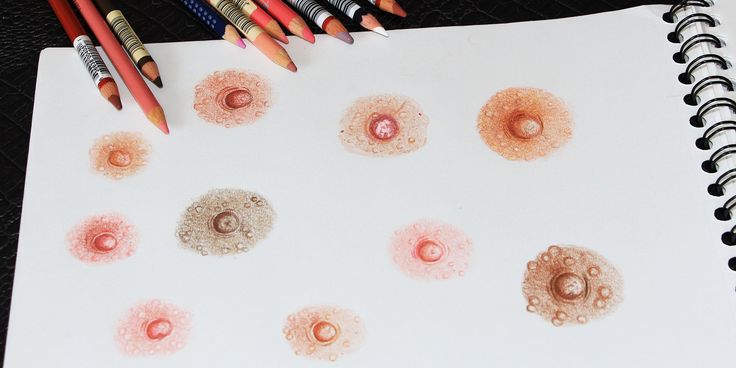
Breast reconstruction is a deeply personal process that extends far beyond surgery. For many individuals recovering from a mastectomy, breast cancer treatment, gender-affirming surgery, or other reconstructive procedures, the journey involves restoring not only physical appearance but also confidence and comfort with their bodies. While reconstructive surgery can successfully recreate breast shape and contour, visible surgical scars and the absence of a natural-looking nipple and areola may leave some patients feeling that their restoration is incomplete. This is where scar camouflage and 3D Areola tattoo in El Paso can play an important role.
Both techniques are specialized forms of paramedical tattooing designed to improve the appearance of healed skin. Scar camouflage focuses on reducing the visibility of scars by blending them with the surrounding skin, while 3D areola tattooing recreates the visual appearance of a realistic nipple and areola using advanced shading and color-matching techniques. Together, these procedures can complement reconstructive surgery and help create a more natural-looking result.
Understanding Scar Camouflage
Scar camouflage is a paramedical tattooing technique that uses carefully selected pigments to help reduce the visual contrast between a scar and the surrounding skin.
Rather than removing the scar, the procedure works to make it less noticeable by blending its color more naturally with nearby tissue.
Scar camouflage may be considered for:
- Mastectomy scars
- Breast reconstruction scars
- Surgical incision lines
- Skin graft scars
- Other fully healed surgical scars
The procedure is customized to each individual’s skin tone and scar characteristics.
What Is a 3D Areola Tattoo?
A 3D areola tattoo is a specialized restorative tattoo that recreates the appearance of the nipple and areola through artistic shading and customized pigmentation.
Unlike decorative tattoos, the goal is anatomical realism.
Practitioners use:
- Layered pigments
- Soft highlights
- Natural shadows
- Fine detailing
- Optical illusion techniques
The tattoo remains completely flat while creating the appearance of depth and projection.
How the Two Procedures Work Together
Although scar camouflage and 3D areola tattooing serve different purposes, they are often complementary.
Scar camouflage helps:
- Blend visible scars
- Reduce color contrast
- Improve skin uniformity
- Soften the appearance of healed tissue
Meanwhile, 3D areola tattooing helps:
- Restore realistic anatomy
- Recreate natural pigmentation
- Improve symmetry
- Complete the visual reconstruction
Together, they contribute to a more harmonious overall appearance.
The Importance of Fully Healed Skin
Before either procedure is performed, the surgical area must typically be fully healed.
Practitioners generally evaluate:
- Scar maturity
- Skin stability
- Absence of active inflammation
- Overall healing progress
The appropriate timing varies from person to person, so it is important to follow guidance from your surgeon and paramedical tattoo artist.
Working with Scar Tissue
Scar tissue behaves differently than healthy skin.
Compared with normal skin, scars may:
- Retain pigment unevenly
- Heal at a different rate
- Have altered texture
- Reflect light differently
Experienced practitioners understand these challenges and adjust their tattooing techniques to achieve balanced, natural-looking results.
Personalized Color Matching
Accurate color matching is one of the most important aspects of successful scar camouflage and areola restoration.
During the consultation, the practitioner evaluates:
- Overall skin tone
- Warm or cool undertones
- Existing pigmentation
- Scar characteristics
- Individual healing patterns
Several pigment shades are often blended together to recreate the subtle variations found in natural skin.
The Art Behind 3D Realism
Creating a realistic areola requires much more than applying pigment.
Artists carefully use:
- Light placement
- Shadow creation
- Gradual color transitions
- Fine texture details
- Controlled contrast
These techniques create the convincing illusion of a projecting nipple even though the tattoo is completely flat.
The Consultation Process
Every treatment begins with a personalized consultation.
During this appointment, your practitioner may discuss:
- Medical history
- Surgical procedures
- Healing progress
- Scar assessment
- Desired appearance
- Color selection
- Realistic expectations
This collaborative planning process ensures the treatment is tailored to your individual goals.
Healing After Treatment
Following scar camouflage or areola tattooing, patients commonly experience:
- Mild redness
- Slight swelling
- Temporary tenderness
- Darker initial pigmentation
Over several weeks:
- Redness fades.
- Pigments soften.
- Colors stabilize.
- The treated area develops a more natural appearance.
Following aftercare instructions is essential for healthy healing and optimal results.
Long-Term Maintenance
Like all tattoos, restorative pigments gradually fade over time.
Factors affecting longevity include:
- Skin type
- Sun exposure
- Aging
- Healing response
- Lifestyle
Some patients choose periodic touch-up appointments to maintain consistent color and detail.
Choosing the Right Practitioner
Successful scar camouflage and areola restoration require specialized knowledge that extends beyond traditional tattooing.
Look for a practitioner with:
- Training in paramedical tattooing
- Experience with breast reconstruction patients
- Expertise in scar tissue
- Strong understanding of color theory
- Strict hygiene standards
- A portfolio of healed restorative work
Choosing a qualified professional helps support safe treatment and realistic outcomes.
Supporting Emotional Recovery
Although these procedures primarily restore appearance, many patients describe emotional benefits as well.
Some individuals report feeling:
- More comfortable with their bodies
- More confident wearing certain clothing
- More satisfied with their reconstruction
- Better able to move forward after treatment
Others may choose not to pursue additional restorative procedures, and that decision is equally valid. Every recovery journey is unique.
Looking Toward the Future
Advances in paramedical tattooing continue to improve restorative outcomes.
Innovations in:
- Pigment technology
- Color-matching methods
- Precision tattoo equipment
- Scar camouflage techniques
- Practitioner education
are making treatments increasingly realistic and personalized for patients.
Conclusion
Scar camouflage and 3D areola tattooing represent two complementary techniques that can help complete the visual outcome of breast reconstruction. While scar camouflage works to soften the appearance of healed surgical scars by blending them with the surrounding skin, 3D areola tattooing recreates the natural look of the nipple and areola through advanced color matching, detailed shading, and optical illusion. Together, these specialized paramedical tattooing procedures provide a customized approach to restoration that reflects each patient’s anatomy, skin tone, and personal goals.
For many individuals, reconstruction is about more than physical healing—it is about feeling comfortable, confident, and complete in their own bodies. Although every person’s journey is different, combining scar camouflage with 3D areola restoration can offer an additional option for those seeking to refine the results of surgery. By working with an experienced paramedical tattoo artist and following recommended aftercare, patients can achieve natural-looking outcomes that support both aesthetic satisfaction and long-term confidence.
