



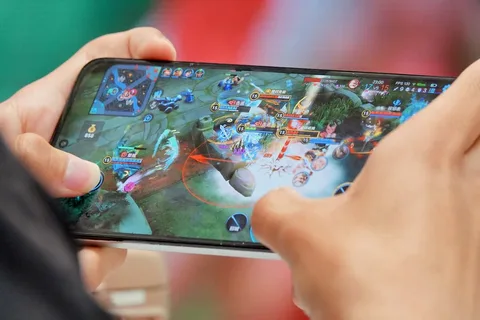
The world of gaming has evolved rapidly over the last decade, and in 2026, the industry is more dynamic than ever. From technological advancements to changing player preferences, several mobile gaming trends are shaping how people play, interact, and spend money on games. With smartphones becoming more powerful and accessible, mobile gaming is no longer just casual entertainment—it’s a full-fledged gaming ecosystem competing with consoles and PCs, especially as innovations like the Steam Machine update blur the lines between PC and mobile gaming experiences.
In this article, we’ll explore the most influential trends dominating mobile gaming in 2026 and highlight how they are transforming the experience for millions of players worldwide.
1. Cloud Gaming on Mobile Devices
Cloud gaming has become one of the biggest breakthroughs in recent years. In 2026, it’s no longer a niche concept—it’s mainstream. Players can now stream high-quality games directly to their smartphones without needing powerful hardware.
Services like cloud-based gaming platforms allow users to play AAA titles seamlessly, eliminating the need for large downloads or expensive devices. This trend has opened the door for more players to access premium games, regardless of their phone specifications.
The impact is massive. Mobile devices are now capable of delivering console-level experiences, making gaming more inclusive and accessible than ever before.
2. Rise of Cross-Platform Gaming
Cross-platform compatibility is now expected rather than optional. Gamers want to switch between devices without losing progress, and developers are responding accordingly. With the excitement surrounding the PS6 release date, players are especially eager to see how new hardware will enhance cross-platform experiences.
In 2026, many of the top mobile games allow players to connect with friends across different platforms—whether they’re on PC, console, or mobile. This has created a more unified gaming community where players can engage without restrictions.
The result is stronger player retention and a more social gaming environment, which continues to drive the popularity of multiplayer titles.
3. AI-Powered Gaming Experiences
Artificial intelligence is playing a bigger role in mobile gaming than ever before. From smarter NPCs (non-playable characters) to personalized game recommendations, AI is enhancing every aspect of gameplay.
Games now adapt to individual player behavior, adjusting difficulty levels and offering tailored challenges. This makes the experience more engaging and less repetitive.
AI is also being used in game development, helping studios create more realistic environments, automate testing, and improve overall game quality.
4. Hyper-Casual Games Still Thrive
Despite the rise of complex and immersive games, hyper-casual games continue to dominate downloads. Their simplicity, quick gameplay, and low entry barrier make them appealing to a wide audience.
In 2026, developers are combining hyper-casual mechanics with deeper progression systems. This hybrid approach keeps players engaged for longer periods while maintaining the easy-to-play nature that made these games popular.
These games are especially successful in emerging markets, where users prefer lightweight apps that don’t require high-end devices.
5. Growth of Mobile Esports
Mobile esports has exploded in popularity. Competitive gaming is no longer limited to PCs and consoles—mobile platforms are now hosting global tournaments with massive prize pools.
Games like battle royales and multiplayer shooters have paved the way for mobile esports leagues, attracting both casual players and professional gamers.
Streaming platforms and social media have further fueled this growth, allowing players to showcase their skills and build audiences. In 2026, mobile esports is not just a trend—it’s a major segment of the gaming industry.
6. In-Game Monetization Evolution
Monetization strategies have evolved significantly. While in-app purchases and ads remain common, developers are now focusing on player-friendly approaches.
Battle passes, subscription models, and cosmetic upgrades are replacing aggressive pay-to-win systems. This shift has improved player satisfaction and long-term engagement.
Players are more willing to spend money when they feel they are getting value without compromising fairness. This balance is crucial for the success of modern mobile games.
7. Augmented Reality (AR) Integration
Augmented Reality has found a strong foothold in mobile gaming. By blending the real world with digital elements, AR games offer unique and immersive experiences.
In 2026, AR is more refined and accessible, thanks to improved smartphone hardware and software. Games now encourage players to explore their surroundings, making gameplay more interactive and physically engaging.
This trend is especially popular among younger audiences who seek innovative and real-world-connected experiences.
8. Social Gaming and Community Features
Gaming is no longer a solitary activity. Social features are now a core part of mobile games, allowing players to chat, collaborate, and compete with others.
From in-game voice chat to integrated social hubs, developers are focusing on building communities within their games. This keeps players engaged and encourages long-term loyalty.
In 2026, successful games are those that offer not just gameplay, but a sense of belonging and connection.
9. Improved Graphics and Performance
Thanks to advancements in mobile processors and GPUs, games in 2026 look better than ever. High-resolution textures, realistic lighting, and smooth animations are now standard features.
Developers are optimizing games to run efficiently on a wide range of devices, ensuring that players can enjoy high-quality visuals without performance issues.
This improvement has narrowed the gap between mobile and console gaming, making mobile platforms more competitive.
10. Focus on User-Generated Content
User-generated content (UGC) is becoming increasingly popular. Players now have the ability to create their own levels, characters, and game modes.
This not only enhances creativity but also extends the lifespan of games. Developers benefit from continuous content without having to create everything themselves.
In 2026, games that empower players to contribute content are gaining a significant advantage in the market.
11. Subscription-Based Gaming Models
Subscription services are gaining traction in mobile gaming. Instead of paying for individual games or items, players can access a library of games for a monthly fee.
This model offers better value and encourages users to explore different genres. It also provides developers with a steady revenue stream.
As more companies adopt this approach, subscription-based gaming is expected to become a standard feature in the industry.
12. Privacy and Data Security Awareness
With the growth of online gaming, concerns about data privacy have increased. Players are now more aware of how their data is being used.
In response, developers are implementing stronger security measures and transparent policies. This builds trust and ensures a safer gaming environment.
In 2026, privacy is not just a feature—it’s a necessity for success in the mobile gaming market.
Conclusion
Mobile gaming in 2026 is more diverse, advanced, and accessible than ever before. From cloud gaming and AI integration to social features and esports, the industry continues to evolve at a rapid pace.
These mobile gaming trends are not just shaping how games are played—they are redefining the entire gaming experience. As technology continues to improve, we can expect even more innovation in the years ahead.
Whether you’re a casual player or a dedicated gamer, staying updated with the latest trends will help you discover the top mobile games and make the most of what modern gaming has to offer.
You have not enough Humanizer words left. Upgrade your Surfer plan.
