



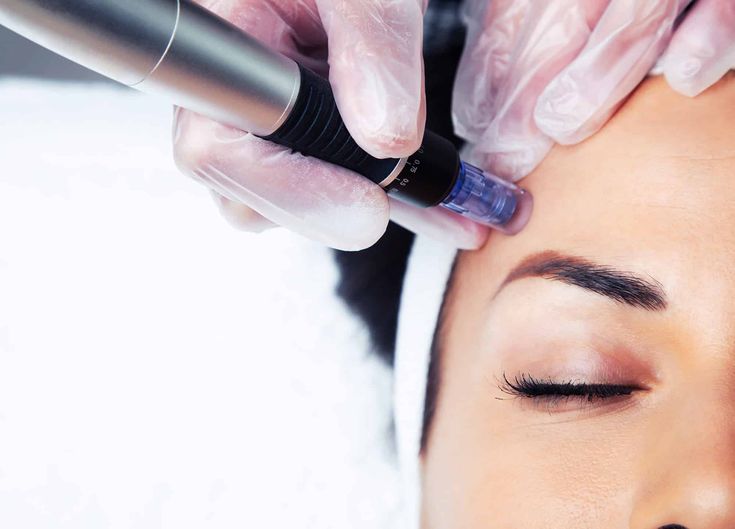
The beauty industry is constantly introducing new technologies that promise firmer, smoother, and younger-looking skin. Among the most popular innovations in recent years is microcurrent therapy, a treatment that uses low-level electrical currents to stimulate facial muscles and skin tissues. Once available primarily in professional clinics, microcurrent technology has now made its way into at-home devices, allowing users to perform treatments from the comfort of their own homes.
But can these handheld gadgets really tighten skin and improve facial contours? Let’s explore how microcurrent therapy works, its potential benefits, limitations, and whether it deserves a place in your Venus Freeze The Woodlands skincare routine.
What Is Microcurrent Therapy?
Microcurrent therapy involves the use of low-voltage electrical currents that mimic the body’s natural bioelectric signals. These gentle currents are delivered through handheld devices that glide across the skin’s surface.
The treatment is often referred to as a “non-surgical facelift” because it aims to:
- Improve facial muscle tone
- Enhance circulation
- Stimulate cellular activity
- Promote a firmer appearance
- Improve facial contours
Unlike more aggressive cosmetic procedures, microcurrent therapy is non-invasive and typically painless.
How Does Microcurrent Therapy Work?
The theory behind microcurrent technology is based on the body’s natural electrical activity.
When the electrical currents are applied to the skin, they may help:
Stimulate Facial Muscles
Microcurrent devices target underlying facial muscles, encouraging temporary contraction and toning.
This stimulation may create:
- Improved facial definition
- Enhanced cheek contours
- A more lifted appearance
Boost Circulation
Improved blood flow can help deliver oxygen and nutrients to skin tissues, supporting overall skin health.
Support Cellular Energy Production
Some studies suggest microcurrent therapy may increase the production of adenosine triphosphate (ATP), the primary energy source for cells.
Higher ATP levels may contribute to:
- Improved cellular repair
- Better tissue function
- Enhanced collagen production
Potential Benefits of At-Home Microcurrent Devices
Many users report noticeable cosmetic improvements when devices are used consistently.
Improved Facial Contours
Microcurrent treatments may help create a more sculpted appearance by temporarily enhancing muscle tone.
Areas commonly targeted include:
- Jawline
- Cheeks
- Brows
- Neck
Reduced Appearance of Fine Lines
By supporting circulation and skin function, microcurrent therapy may help soften the appearance of fine lines and wrinkles.
Temporary Skin Tightening
Some individuals notice an immediate tightening effect after treatment, particularly around the jawline and cheek area.
Enhanced Product Absorption
Many devices are used with conductive gels that may help skincare ingredients spread evenly across the skin.
What Does the Research Say?
Scientific research on microcurrent therapy is still developing, but several studies suggest it may provide cosmetic benefits.
Potential findings include:
- Increased facial muscle stimulation
- Improved circulation
- Enhanced skin appearance
- Temporary lifting effects
However, it’s important to note that results are generally modest compared to professional treatments such as radiofrequency, ultrasound therapy, or surgical procedures.
Most experts view microcurrent devices as a supportive maintenance tool rather than a dramatic anti-aging solution.
Professional Treatments vs. At-Home Devices
Professional Microcurrent Treatments
Clinic-based treatments often use more powerful equipment and are administered by trained professionals.
Benefits may include:
- Stronger muscle stimulation
- Customized treatment plans
- More noticeable short-term results
At-Home Devices
Home-use devices offer:
- Convenience
- Lower long-term cost
- Ongoing maintenance treatments
- Greater accessibility
While at-home devices are generally less powerful, consistent use can help maintain gradual improvements.
How Often Should You Use a Microcurrent Device?
Most manufacturers recommend regular use, particularly during the initial treatment phase.
A common routine may involve:
- Several sessions per week initially
- Maintenance treatments once or twice weekly
Consistency is crucial because the effects are often temporary and require ongoing use to maintain results.
Who Is a Good Candidate?
Microcurrent therapy may be suitable for individuals who:
- Have mild signs of aging
- Want a non-invasive option
- Prefer at-home treatments
- Seek preventative skincare measures
- Desire subtle improvements
People with significant skin laxity or deep wrinkles may require more advanced treatments to achieve their goals.
Are There Any Risks?
Microcurrent therapy is generally considered safe when used according to manufacturer instructions.
Possible side effects may include:
- Mild tingling sensations
- Temporary redness
- Minor skin irritation
Individuals with certain medical conditions, implanted electronic devices, or specific health concerns should consult a healthcare professional before using microcurrent technology.
How to Maximize Results
To get the most from microcurrent therapy:
Follow a Consistent Schedule
Regular treatments typically produce better results than occasional use.
Use Conductive Gel
Most devices require a conductive gel to ensure proper current delivery and comfortable treatment.
Combine With Good Skincare
Support your results with:
- Sunscreen
- Retinoids
- Vitamin C serums
- Moisturizers
- Healthy lifestyle habits
Stay Realistic
Microcurrent devices can improve appearance, but they are unlikely to replicate the results of surgical or energy-based cosmetic procedures.
Alternative Non-Invasive Skin Tightening Treatments
If you are seeking more substantial tightening, other options include:
- Radiofrequency therapy
- Ultrasound skin tightening
- RF microneedling
- Fractional laser treatments
- Professional collagen-stimulating procedures
These treatments target deeper tissue layers and often produce more significant results.
Conclusion
Microcurrent therapy offers an intriguing, non-invasive approach to facial rejuvenation. By stimulating facial muscles, enhancing circulation, and supporting cellular activity, at-home microcurrent devices may help create a firmer, more sculpted appearance when used consistently. While the results are typically subtle and temporary, many users appreciate the convenience and accessibility of these devices as part of a long-term skincare routine.
Although microcurrent therapy is not a replacement for professional skin tightening treatments or surgical procedures, it can be a valuable tool for individuals seeking gentle, preventative, and maintenance-focused skincare solutions. With realistic expectations and consistent use, microcurrent therapy may help support healthier, tighter-looking skin over time.
