



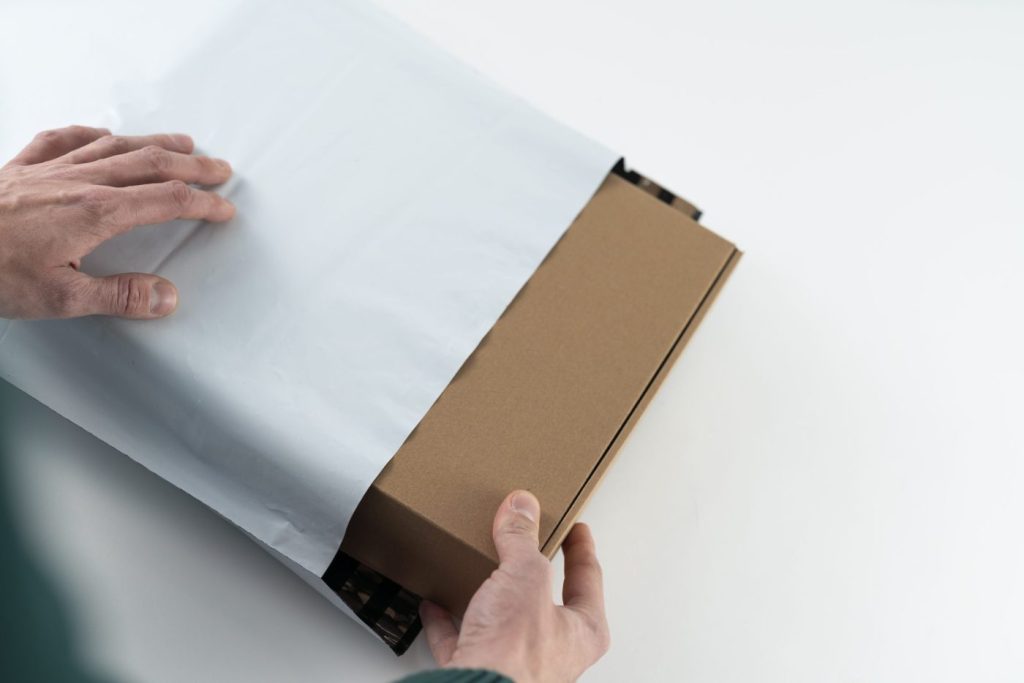
Shipping costs can quietly eat into your profit margins, especially for eCommerce businesses, wholesalers, and small brands trying to scale. While many focus on negotiating carrier rates or increasing order value, one of the most effective and often overlooked strategies is optimizing packaging. Smart packaging choices can significantly reduce shipping box costs without compromising product safety or customer experience. This guide explores practical, actionable ways to lower shipping expenses through better packaging decisions.
Why Packaging Plays a Critical Role in Shipping Costs
Shipping carriers typically calculate rates based on either actual weight or dimensional weight (DIM weight), whichever is higher. Dimensional weight considers the size of the package in relation to its weight. This means bulky packaging, even if lightweight, can increase shipping costs. Poor packaging decisions can also lead to damages, returns, and additional expenses. By optimizing packaging, you can reduce both the physical and dimensional footprint of your shipments, leading to immediate cost savings.
Understand Dimensional Weight and Pricing Models
Before making changes, it is essential to understand how shipping costs are calculated. Carriers like FedEx, UPS, and DHL use dimensional weight formulas that factor in package length, width, and height. Larger boxes with excessive empty space can push your shipment into a higher pricing tier. Knowing your carrier’s DIM divisor and pricing structure allows you to design packaging that minimizes unnecessary volume and avoids overpaying.
Choose the Right Box Size for Every Product
One of the simplest ways to reduce shipping costs is by selecting the correct box size. Using oversized boxes leads to higher dimensional weight charges and increased need for filler materials. Instead, create a range of box sizes tailored to your product catalog. Custom-sized boxes or a well-planned packaging inventory can ensure a snug fit for most orders. This reduces both material costs and shipping fees.
Use Lightweight Packaging Materials
The weight of your packaging directly affects shipping costs. Switching to lightweight materials can make a noticeable difference. Consider alternatives such as corrugated cardboard with lower weight grades, poly mailers for non-fragile items, or padded envelopes instead of boxes where appropriate. Lightweight void fillers like air pillows or paper can replace heavier materials like foam or thick bubble wrap without compromising protection.
Optimize Void Fill and Reduce Empty Space
Empty space inside a package leads to higher dimensional weight and increases the risk of product movement during transit. Smart void fill strategies can help you use just enough material to protect the product without overpacking. Custom inserts, molded pulp trays, or right-sized fillers can secure items efficiently. Reducing void space not only lowers shipping costs but also improves the unboxing experience.
Switch to Flexible Packaging Where Possible
Flexible packaging options such as poly mailers, bubble mailers, or kraft mailers can significantly reduce shipping costs compared to rigid boxes. These options conform to the shape of the product, minimizing dimensional weight. They are ideal for clothing, soft goods, and small non-fragile items. Additionally, flexible packaging often costs less to purchase and store.
Invest in Packaging Automation and Standardization
Standardizing packaging processes can lead to consistent cost savings. By defining packaging guidelines for different product types, you can reduce errors and avoid unnecessary material use. For businesses with higher order volumes, investing in automated packaging systems or cartonization software can help determine the most efficient box size for each order. This reduces waste and ensures optimal packaging every time.
Use Multi-Depth and Adjustable Boxes
Multi-depth boxes allow you to adjust the height of a box to fit different products by cutting it down to the required size. This flexibility helps reduce empty space and dimensional weight without needing multiple box sizes. Adjustable packaging solutions are particularly useful for businesses with varied product dimensions.
Buy Packaging Materials in Bulk
Purchasing packaging materials in bulk can lower the cost per unit. Establish relationships with reliable suppliers and forecast your packaging needs based on sales trends. Bulk buying not only reduces costs but also ensures you have consistent packaging materials that align with your optimization strategy.
Reduce Packaging Layers Without Compromising Safety
Over-packaging is a common issue that increases both weight and size. Evaluate your packaging design to identify unnecessary layers. For example, you may be able to eliminate double boxing or reduce excessive wrapping by using more efficient protective materials. The goal is to maintain product safety with the least amount of material.
Consider Flat-Pack and Disassembled Shipping
For certain products, shipping items in a flat-pack or partially disassembled form can significantly reduce package dimensions. Furniture brands and home decor businesses often use this strategy to minimize shipping costs. While this approach may require minor assembly by the customer, it can lead to substantial savings.
Test and Optimize Packaging Regularly
Packaging optimization is not a one-time task. Regular testing helps you identify opportunities for improvement. Conduct drop tests, compression tests, and shipping trials to ensure your packaging is both cost-efficient and protective. Analyze shipping data to track trends in dimensional weight and identify areas where you can reduce costs further.
Leverage Carrier-Specific Packaging Options
Some carriers offer their own packaging solutions at discounted rates or even free of charge. These options are often designed to meet specific shipping criteria and can help you save on packaging costs. Evaluate whether these solutions align with your product requirements and shipping strategy.
Reduce Returns and Damages Through Better Packaging
Damaged products lead to returns, replacements, and additional shipping costs. Investing in smarter packaging that protects products effectively can reduce these hidden expenses. A well-designed package not only minimizes damage but also enhances customer satisfaction, leading to fewer returns and better reviews.
Incorporate Sustainable Packaging for Long-Term Savings
Sustainable packaging is not just good for the environment; it can also reduce costs. Using recyclable, reusable, or biodegradable materials can lower material expenses and appeal to eco-conscious customers. Efficient packaging design often aligns with sustainability goals by reducing waste and excess materials.
Conclusion
Reducing shipping costs does not always require complex negotiations or major operational changes. By focusing on smart packaging choices, businesses can achieve significant savings while improving efficiency and customer experience. From choosing the right box size and materials to minimizing empty space and adopting flexible packaging, every decision plays a role in controlling costs. Regular testing, standardization, and a commitment to continuous improvement will ensure your packaging strategy remains both cost-effective and scalable as your business grows.
