



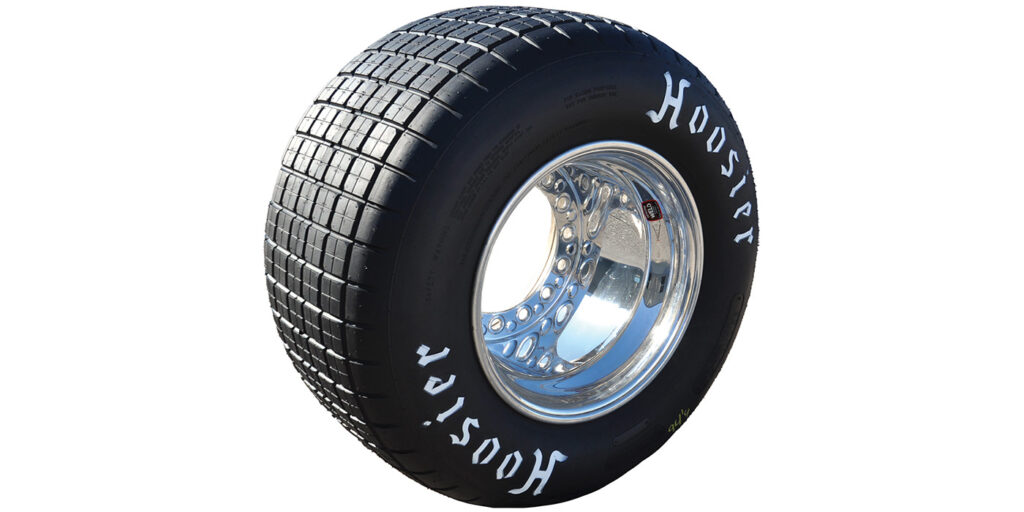
Choosing the right Hoosier racing tire can dramatically influence your driving experience, lap times, and overall performance on the track. Whether you are attending casual track days or competing in high-stakes racing events, the demands on your tires vary significantly. Hoosier, one of the most trusted names in motorsports, offers a wide range of racing tires designed for specific conditions and driving goals. Understanding the differences between track day tires and competitive racing tires will help you make a smarter investment and get the most out of your vehicle.
Understanding the Difference Between Track Days and Competitive Racing
Track days are typically non-competitive events where drivers focus on improving their skills, enjoying their cars, and learning track dynamics. The emphasis is on consistency, safety, and longevity rather than pushing the absolute limits of grip.
Competitive racing, on the other hand, is all about maximizing performance. Every fraction of a second matters, and tires are pushed to their limits to achieve the fastest possible lap times. In this environment, grip, responsiveness, and peak performance take priority over durability.
Because of these differences, Hoosier designs specific tires that cater to each use case.
Key Factors That Influence Tire Choice
Before diving into specific Hoosier models, it is important to understand the key factors that determine which tire is best for your needs.
Grip level is the most critical factor in competitive racing. Tires with softer compounds provide exceptional traction but wear out quickly. For track days, a slightly harder compound is often preferred to balance grip and longevity.
Heat cycles play a major role in tire performance. Racing tires are designed to perform optimally within a narrow temperature range, while track day tires are more forgiving and can handle repeated heating and cooling cycles without significant degradation.
Durability is essential for track day drivers who want to maximize seat time without constantly replacing tires. Competitive racers, however, are often willing to sacrifice durability for performance.
Consistency is another key aspect. Track day tires are designed to deliver stable performance over multiple sessions, while racing tires may offer peak grip for a shorter duration.
Best Hoosier Tires for Track Days
For track day enthusiasts, the ideal tire provides a balance between performance, durability, and ease of use. Hoosier offers several options that fit these requirements.
Hoosier R7
The Hoosier R7 is widely regarded as one of the best choices for track days. It is a DOT-approved radial tire designed for road racing and high-performance driving events. The R7 offers excellent grip while maintaining good longevity compared to softer compounds.
One of the biggest advantages of the R7 is its consistency. It performs well across multiple heat cycles, making it ideal for drivers who participate in frequent track sessions. The tire also provides predictable handling, which is crucial for building confidence on the track.
Hoosier R8
The Hoosier R8 is an evolution of the R7, designed to offer improved durability and heat management. It is particularly well-suited for longer sessions and endurance-style track days. Drivers who want a tire that can handle extended use without significant performance drop-off will appreciate the R8.
Compared to more aggressive racing tires, the R8 sacrifices a small amount of peak grip in exchange for better wear characteristics. This makes it a practical choice for drivers who prioritize value and consistency.
Hoosier Track Attack Series
Hoosier’s Track Attack lineup is specifically engineered for high-performance driving events. These tires are more forgiving than full racing slicks and are designed to provide a user-friendly experience for amateur and intermediate drivers.
They offer a good balance of grip and longevity, making them an excellent entry point for those transitioning from street tires to dedicated track tires.
Best Hoosier Tires for Competitive Racing
When it comes to competitive racing, the focus shifts entirely to maximizing grip and achieving the fastest lap times possible. Hoosier offers several high-performance options tailored for this purpose.
Hoosier A7
The Hoosier A7 is one of the most popular tires for autocross and time attack events. It is designed to deliver maximum grip in short-duration runs. The soft compound allows the tire to reach optimal performance quickly, making it ideal for sprint-style racing.
However, the A7 has a shorter lifespan compared to track day tires. It is not designed for extended sessions, and its performance can drop off after multiple heat cycles. For competitive drivers, this trade-off is acceptable given the significant performance advantage.
Hoosier A8
The Hoosier A8 builds on the strengths of the A7 with improvements in consistency and durability. While still focused on high grip, the A8 offers slightly better wear characteristics, making it a more versatile option for competitive environments.
It is particularly well-suited for drivers who need a balance between peak performance and reliability across multiple runs.
Hoosier Racing Slicks
For professional and advanced-level racing, Hoosier slick tires provide the ultimate level of performance. These tires eliminate tread patterns to maximize the contact patch with the track surface, resulting in unmatched grip.
Slicks require precise setup, including proper suspension tuning and tire pressure management. They also perform best under controlled conditions and may not be suitable for beginners. However, in the right hands, they can deliver significant improvements in lap times.
Track Days vs Competitive Racing: Key Differences in Tire Selection
The primary difference between track day and racing tires lies in their intended use. Track day tires like the R7 and R8 are designed for longevity, consistency, and ease of use. They allow drivers to focus on improving their skills without worrying about rapid tire degradation.
Racing tires like the A7, A8, and slicks prioritize maximum grip and responsiveness. They are engineered to deliver peak performance for shorter durations, making them ideal for competitive environments where every second counts.
Another important distinction is the level of driver experience required. Track day tires are more forgiving and easier to manage, while racing tires demand precise control and a deeper understanding of tire behavior.
How to Choose the Right Hoosier Tire for Your Needs
Selecting the right tire depends on your driving goals, experience level, and budget. If you are a beginner or intermediate driver attending track days, the R7 or R8 is the best choice. These tires offer a balance of performance and durability, allowing you to maximize track time.
If you are focused on competition and want to achieve the fastest possible lap times, the A7 or A8 is the better option. These tires provide superior grip but require more frequent replacement.
Advanced drivers and professional racers may benefit from Hoosier slicks, but these tires require proper setup and experience to use effectively.
It is also important to consider track conditions, vehicle setup, and driving style. Consulting with experienced drivers or tire specialists can help you make a more informed decision.
Conclusion
Hoosier offers a diverse range of tires designed to meet the needs of both track day enthusiasts and competitive racers. The key to choosing the right tire lies in understanding your goals and how different tire characteristics align with those objectives.
For track days, durability, consistency, and ease of use are essential, making tires like the R7 and R8 ideal choices. For competitive racing, maximum grip and performance take priority, with options like the A7, A8, and slicks leading the way.
By selecting the right Hoosier tire for your specific use case, you can enhance your driving experience, improve your performance, and get the most value from your investment.
