



Lighting plays a crucial role in how your home looks, feels, and functions. Choosing the right LED bulb is not just about brightness; it involves understanding color temperature, wattage, room purpose, and fixture compatibility. With so many options available, selecting the perfect LED bulb for each room can feel overwhelming. This guide will help you make informed decisions so every space in your home is well-lit, energy-efficient, and visually appealing.
Understanding LED Bulb Basics
Before selecting bulbs for different rooms, it is important to understand a few key factors. LED bulbs are known for their energy efficiency, long lifespan, and versatility. Unlike traditional incandescent bulbs, LEDs use significantly less power while delivering the same or even better brightness. Lumens measure brightness, while watts indicate energy consumption. When choosing LED bulbs, always focus on lumens rather than watts. Another important factor is color temperature, measured in Kelvin (K), which determines whether the light appears warm, neutral, or cool.
Choosing the Right Brightness (Lumens)
Each room requires a different level of brightness depending on its function. For example, living rooms benefit from moderate lighting, while kitchens and workspaces require brighter illumination. As a general guideline, bedrooms and living areas typically need around 1,500 to 3,000 lumens, while kitchens and bathrooms may require 4,000 lumens or more. Task-oriented spaces like study rooms or home offices need even higher brightness to reduce eye strain.
Understanding Color Temperature
Color temperature greatly influences the mood of a room. Warm white light, typically between 2700K and 3000K, creates a cozy and relaxing atmosphere, making it ideal for bedrooms and living rooms. Neutral white light, around 3500K to 4100K, provides a balanced and clean look, suitable for kitchens and bathrooms. Cool white or daylight bulbs, ranging from 5000K to 6500K, are best for task-heavy areas like offices or garages, as they enhance focus and visibility.
Living Room Lighting
The living room is a multifunctional space used for relaxation, entertainment, and socializing. Layered lighting works best here. Use a combination of ambient lighting from ceiling fixtures and accent lighting from lamps or wall fixtures. Choose LED bulbs with a warm white color temperature to create a welcoming environment. Dimmable bulbs are highly recommended, as they allow you to adjust brightness based on the occasion, whether you are watching TV or hosting guests.
Bedroom Lighting
Bedrooms should promote relaxation and comfort. Soft, warm lighting is ideal for this space. LED bulbs with a color temperature between 2700K and 3000K help create a calm atmosphere conducive to sleep. Bedside lamps with lower lumens are perfect for reading, while overhead lighting should be gentle and not too harsh. Consider using dimmable LEDs to customize the lighting level according to your needs.
Kitchen Lighting
The kitchen requires bright and functional lighting for cooking and food preparation. Choose LED bulbs with a neutral white color temperature around 4000K for clarity and accuracy. High lumen output is essential, especially for task areas like countertops and cooking spaces. Under-cabinet lighting can further enhance visibility and reduce shadows. Uniform lighting ensures safety and efficiency while working in the kitchen.
Bathroom Lighting
Bathrooms need a balance between functionality and comfort. Bright, neutral white lighting works best for grooming tasks such as shaving or applying makeup. LED bulbs around 4000K to 5000K are ideal. Vanity lighting should be evenly distributed to minimize shadows on the face. Moisture-resistant or damp-rated LED bulbs are recommended to ensure durability in humid conditions.
Home Office Lighting
Proper lighting is essential in a home office to maintain productivity and reduce eye strain. Cool white or daylight LED bulbs between 5000K and 6500K provide clear and focused illumination. High lumen output is important for reading, writing, and working on screens. Desk lamps with adjustable brightness can offer additional flexibility for different tasks throughout the day.
Dining Room Lighting
The dining room is where ambiance matters most. Warm white LED bulbs help create a cozy and inviting setting for meals. Pendant lights or chandeliers with dimmable bulbs allow you to adjust the mood, whether it is a casual dinner or a formal gathering. Moderate brightness is sufficient, as overly bright lighting can feel harsh and uncomfortable.
Hallways and Entryways
These areas require consistent and welcoming lighting. Neutral white LED bulbs are a good choice, offering clarity without being too harsh. Since lights in hallways and entryways are often used frequently, energy-efficient LED bulbs with motion sensors can be a practical option. This ensures convenience while reducing energy consumption.
Outdoor Lighting
Outdoor spaces need durable and weather-resistant LED bulbs. Choose bulbs with higher brightness and cooler color temperatures for security and visibility. For decorative outdoor areas such as patios or gardens, warmer tones can create a relaxing ambiance. Always ensure the bulbs are rated for outdoor use to withstand varying weather conditions.
Bulb Shapes and Fixtures
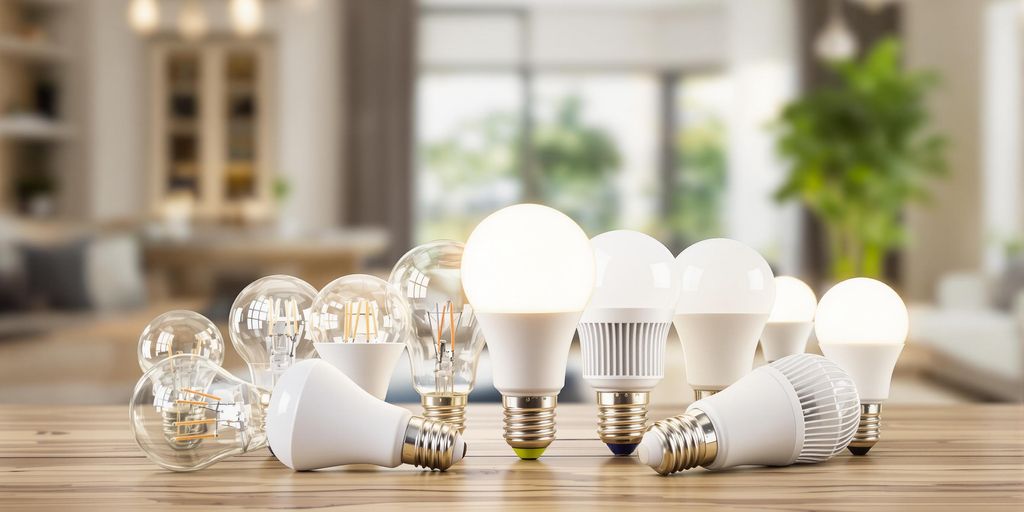
LED bulbs come in various shapes and sizes to fit different fixtures. Standard A-shape bulbs are suitable for most lamps and ceiling fixtures, while globe bulbs work well for vanities. Recessed lighting requires reflector bulbs, and decorative fixtures may use candle-shaped LEDs. Always check the fixture compatibility before purchasing to ensure proper fit and performance.
Energy Efficiency and Lifespan
One of the biggest advantages of LED bulbs is their long lifespan and low energy consumption. A high-quality LED bulb can last up to 25,000 hours or more, significantly reducing replacement costs. Look for energy ratings and certifications to ensure efficiency. Although LEDs may have a higher upfront cost, they save money in the long run through reduced electricity bills and maintenance.
Dimmability and Smart Features
Modern LED bulbs often come with advanced features such as dimming and smart controls. Dimmable bulbs allow you to adjust brightness levels, enhancing flexibility and comfort. Smart LED bulbs can be controlled via mobile apps or voice assistants, enabling you to change color temperature, brightness, and even schedules. These features are especially useful for creating customized lighting environments in different rooms.
Common Mistakes to Avoid
Many people make the mistake of choosing bulbs based solely on wattage rather than lumens. Another common error is using the wrong color temperature for a room, which can negatively affect the ambiance. Ignoring fixture compatibility and skipping dimmable options are also frequent issues. Taking the time to understand your lighting needs will help you avoid these mistakes and achieve better results.
Final Thoughts
Choosing the right LED bulb for every room involves more than just picking the brightest option. It requires a thoughtful approach that considers brightness, color temperature, functionality, and design. By understanding the specific lighting needs of each space, you can create a home that is both visually appealing and highly functional. With the right LED bulbs, you not only enhance your living environment but also enjoy long-term energy savings and convenience.
