



Introduction
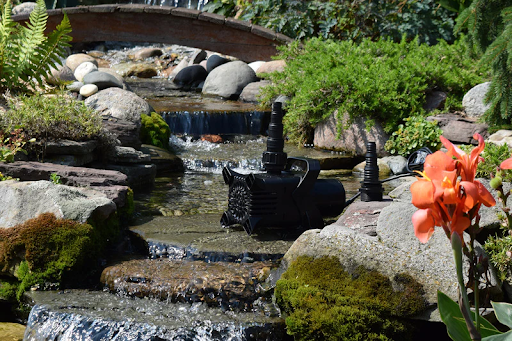
A pond pump is the heart of any pond, ensuring proper water circulation, oxygenation, and filtration. Whether you have a small backyard water feature or a large koi pond, a reliable pump is essential for maintaining water quality and a balanced ecosystem. In this guide, we’ll explore the importance of pond pumps, the different types available, and how to choose the best one for your pond.
Why is a Pond Pump Important?
A pond pump plays a vital role in keeping your pond clean and healthy. Here’s why it is essential:
- Prevents Stagnant Water: Keeps water moving, reducing algae growth and mosquito breeding.
- Enhances Filtration: Helps biological and mechanical filters work efficiently.
- Oxygenates the Water: Ensures fish and plants receive adequate oxygen.
- Supports Water Features: Powers waterfalls, fountains, and streams for aesthetic appeal.
Types of Pond Pumps
There are several types of pond pumps, each designed for different purposes.
1. Submersible Pond Pumps
Submersible pumps are placed underwater, typically at the bottom of the pond, and are ideal for small to medium-sized ponds.
- Best for: Small decorative ponds, fountains, and waterfalls.
- Advantages: Quiet operation, easy installation, and energy-efficient.
- Disadvantages: Requires regular cleaning to prevent clogging.
2. External Pond Pumps
External pumps sit outside the pond and are often used for large ponds or high-flow applications.
- Best for: Large ponds, koi ponds, and professional installations.
- Advantages: High efficiency, long lifespan, and easy maintenance.
- Disadvantages: Louder operation and more complex installation.
3. Solar Pond Pumps
Solar-powered pumps use energy from the sun, making them an eco-friendly option.
- Best for: Small ponds and remote areas without electrical access.
- Advantages: Energy-efficient, environmentally friendly, and cost-effective.
- Disadvantages: Dependent on sunlight and may require backup power.
4. Fountain Pumps
Designed specifically for fountains, these pumps provide strong water pressure to create attractive water displays.
- Best for: Small ponds with fountains or decorative water features.
- Advantages: Enhances aesthetics and aerates the water.
- Disadvantages: Not ideal for filtration or high-volume water movement.
How to Choose the Right Pond Pump
When selecting a pond pump, consider the following factors:
- Pond Size: The pump should circulate the entire pond volume at least once per hour.
- Example: A 1,000-gallon pond requires a pump with a flow rate of at least 1,000 GPH (gallons per hour).
- Water Feature Needs: If you have a waterfall or fountain, choose a pump with higher flow and head height capacity.
- Energy Efficiency: Look for energy-efficient models to reduce electricity costs.
- Durability and Maintenance: Opt for a pump with a reliable design and easy-to-clean components.
- Power Source: Decide between electric, solar, or battery-powered pumps based on availability and preference.
Installation and Maintenance Tips
Installation Steps:
- Position the pump properly – Place submersible pumps at the bottom and external pumps near the pond’s edge.
- Connect to a filtration system if needed for better water clarity.
- Secure hoses and fittings to prevent leaks.
- Test the pump to ensure smooth operation.
Maintenance Tips:
- Clean the pump regularly to remove debris and prevent clogging.
- Check hoses and connections for leaks or wear.
- Inspect the impeller to ensure smooth water flow.
- Winterize the pump by removing or insulating it in cold climates.
Conclusion
A pond pump is an essential component for maintaining a clean, oxygenated, and visually appealing pond. By choosing the right type, installing it correctly, and following proper maintenance practices, you can ensure a thriving aquatic environment. Whether you need a pump for filtration, aeration, or decorative water features, selecting the right one will keep your pond healthy and beautiful all year round.
