



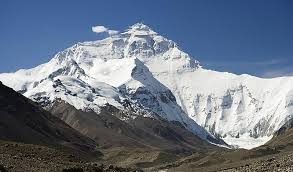
The dream of many adventurers, trekking to Everest Base Camp, is no mean feat. At the top end of the scale, there are also lower oxygen levels in the atmosphere. As hikers got higher up the mountain, air pressure fell, and it was harder for them to get enough oxygen. At Everest Base Camp, 5,364 meters (17,598 feet), the oxygen content is about half the amount at sea level. This could result in physical tiredness and the risk of altitude sickness. To complete and be successful, there are some action steps to trek to the Everest Base Camp and minimize any danger from not having enough oxygen.
Getting to know the effects of high altitude is the first thing you should do while preparing for the trek. As you climb in altitude, your body has to acclimatize to the reduced amount of oxygen in the air, and symptoms like breathing difficulty, dizziness, headaches, and fatigue can set in. This is called altitude sickness, and although it is widespread, it can also be deadly if not treated appropriately. The best way to avoid altitude sickness is acclimatization — the gradual climb, which allows the body to adapt to the thinning air. To acclimatize, obey the old mountaineering maxim, “climb high, sleep low.” That means going higher during the day, but sleeping back at lower elevations, allowing your body to adjust to the altitude before you ascend further.
Another important factor in the control of oxygen levels is to go slow and steady. A lot of trekkers tend to want to hurry to the base camp, which can result in fatigue and a greater risk of altitude sickness. 3. Walk nice and slow, especially uphill, your body will be more efficient with the scant amount of O2 available. It is also crucial to take frequent breaks — not only to let your muscles recover, but also so your body can acclimatize to the altitude gain. If you’re starting to feel tired or breathless, take a little break and concentrate on breathing slowly and deeply to increase your oxygen.
Proper hydration and nutrition are also crucial in dealing with reduced-oxygen effects. The human body tends to dehydrate faster at high elevations because of drier air and increased activity levels. Dehydration can make altitude sickness a more severe problem, so it’s critical to drink water everywhere is available during the trek. But you also need to replace your electrolytes,” so consider drinking beverages with electrolytes to replace what you’re losing. Regarding nutrition, a high-carbohydrate diet will give your body the energy it requires. The more energy that you have in reserve, the more efficiently your body will deal with the physical challenges and the lack of oxygen.
On the trek, it is also critical to stay on the lookout for symptoms of altitude sickness, including headaches, nausea, dizziness, and lack of appetite. Do not go too hard if you are experiencing these symptoms. One of the best ways to reduce your symptoms is to do so immediately by going to a lower altitude. Consult a doctor if the symptoms do not subside.
For the average trekker to EBC, though, supplemental oxygen is not used, although again, some people carry an extra mask with abc around the side of the mountain for other high peaks they are climbing! However, at Base Camp, simple acclimatization and pacing are enough for most trekkers.
The Everest Base Camp treks can leave left with a sense of achievement, even with the threat of oxygen, but that will only happen if you plan well, educate yourself about the dangers of altitude, and listen to your body. By emphasizing gradual ascent, good hydration and nutrition, and conservative pacing, you can mitigate the effects of altitude and get to Everest Base Camp safely. The success of the trek, however, is not dependent, as one may think, solely upon reaching the EBC end-point but is also about getting your body and mind ready to tackle those challenges and revel in the breathtaking journey to and from one of the corners of the world!
Making Sense of Oxygen Deprivation on Everest
Lack of oxygen poses the greatest consideration for hikers planning the EBC trek. At sea level, the air is approximately 21% oxygen, but at Everest Base Camp (5,364 meters or 17,598 feet above sea level) is approximately one-half the concentration of sea-level oxygen. Such a marked reduction in oxygen may have a serious physical and mental impact. The higher you go, the harder the body must labor to take in oxygen, resulting in symptoms of altitude sickness, which can include dizziness, shortness of breath, and fatigue. Lack of oxygen can also promote hypoxia, or the lack of sufficient oxygen in the blood, which can result in impaired cognitive function, lack of energy, and difficulty breathing. It is how the body adapts to this lower oxygen that matters. The body can have tremendous difficulty adapting without proper acclimatization, and a person might find just getting through the day, or even moving with a backpack, or walking a distance at a moderate pace, very difficult. It’s incredibly important to know about oxygen deprivation to prepare mentally and physically for the trek. Once you have a good idea of what altitude does to your body and take some preventative steps, you’ll find that you can take on the mountains in stride and subscribe to the code of staying safe on the trail.”
Pre-Trip Conditioning to Improve Oxygen Use
Pre-trek fitness is vital to enhance oxygen utilization on the EBC trek. One of the best ways to enhance the amount of oxygen you can utilise is to build cardiovascular endurance. Begin training at least 2-3 months before your trek, concentrating on aerobic activities like running, swimming, cycling, and brisk walking. These things will prepare your heart and lungs to be able to work effectively at a high altitude. It is also all about strength training, as it is about helping to create the muscles that will get you through the rough terrain. Add leg work, such as squats, lunges, and step-ups, to replicate the resistance in hiking uphill. Moreover, going on a hike and practicing with a full backpack will effectively mimic the challenge of the trek. Training at higher altitudes (or in areas with less oxygen in the air) can simulate trekking conditions if it is not possible to train at higher altitudes. Breathing exercises, such as diaphragmatic and box breathing, can enhance your body’s ability to take in oxygen in a more efficient manner. If you concentrate on your physical endurance and breathing techniques before setting off on the trek, it can be easier to deal with the effects of a lack of oxygen on the EBC trek.
Methods of Acclimatization to High Altitude
Acclimatization is the key to preventing altitude sickness on the EBC trek; this is the process by which your body gets used to surviving on less and less oxygen as you hike. Slow ascent is the single most critical aspect of successful acclimatization. It is also important not to forget the rule of thumb: climb high, sleep low. That is to say, you climb up to a higher elevation during the day, and then descend to a lower elevation to sleep. This gives your body the time it needs to acclimate and prevents you from overloading your system with too much altitude too fast. These higher-altitude rest days are important, too: They give your body time to acclimate without any additional physical stress. Regular acclimatization breaks on your EBC trek, for example, in Namche Bazaar or Dingboche, allow you to rest, drink water, and consume high-carb food. Another piece is proper hydration, which helps with acclimatizing the body. Lack of moisture can make the body lose fluid at a faster rate up high, potentially worsening symptoms of altitude sickness. Adequate hydration, with both water and electrolyte-rich beverages, to keep a balance between the amount of fluids taken in and lost by your body. Then you will be at lower risk of getting altitude sickness, and will make your way to Everest Base Camp safely.
Early Signs of Hypoxia and AMS Detection
The early symptoms of hypoxia and acute mountain sickness (AMS) will make or break your Everest Base Camps (EBC) trek. Hypoxia happens when there is an inadequate supply of oxygen in the blood to meet the body’s needs, and it can cause confusion, dizziness, headaches, and even unconsciousness if not treated. AMS, on the other hand, happens when the body is unable to acclimate to the low levels of oxygen in high-altitude areas. Symptoms of AMS include nausea, fatigue, dizziness, decreased appetite, and shortness of breath. Early detection of these signs is important to avoid further deterioration. If this happens to you, you need to stop ascending and rest. Lowering one’s altitude is the best prevention for both AMS and hypoxia. Ascending gradually, alternating with rest days, and drinking plenty of fluids can help avoid these problems. Should any of these signs or symptoms persist, or if they become pregnant again while taking this medication, the patient should contact their doctor. For trekkers, bringing a pulse oximeter that measures oxygen saturation levels can help determine if you’re hypoxic. Early detection and immediate intervention can be THE difference in avoiding major health problems.
Burst Breathing to Stimulate Oxygen Uptake
Here is a simple breathing practice of paramount importance to increase oxygen intake and reduce the impact of lower oxygen tensions on the trek to Everest Base Camp (EBC). At higher altitudes, the oxygen in the air is less; with increased elevation, breathing needs to be more efficient to fend off fatigue and headaches. One of the best is diaphragmatic breathing. This is a matter of deep belly breaths as opposed to shallow chest breaths. To practice, place one hand on your chest and the other on your stomach. While inhaling, let your stomach rise and chest stay put, so that your diaphragm expands completely. This method also maximizes the air you can take in and provides you with more oxygen. Box breathing is also a useful technique. Take a deep breath in through your nose for a count of four, hold for four, breathe out through your mouth for four, and hold for four before going again (and again). That’s hard to do when I feel all shallow breathing and anxious like so many of us are right now.” Breathing this way helps soothe the nervous system and fosters more efficient oxygen use. Also, while hiking, rhythmically breathe in sync with your rhythm on the trail — inhale with slow, deep breaths, so that your body is getting its full share of oxygen while conserving energy. So if you normally have shortness of breath at high altitude and you’re interested in improving your fitness level on a Kilimanjaro climb, the above breathing exercises are one of the best solutions.
Fluid and Nutrition to Counteract Hypoxia
Adequate hydration and nutrition are important considerations for combatting hypoxia on high-altitude treks such as EBC. When at higher altitudes, lower humidity, and the respiratory change (which starts to occur directly upon arrival and increases thereafter) render the body even more susceptible to dehydration. Dehydration can compound the effects of altitude sickness, like headaches, dizziness, and fatigue, and make it more difficult to process the lower levels of oxygen in the air. How to Stay HydratedDrink plenty of liquids through the course of the day, especially water or electrolyte-laden,, to stay hydrated and not offset your salt levels.
Everest Base Camp Trek Packages A special diet is equally important to fight for oxygen deprivation. At altitude, the body burns more calories, so it’s important to consume high-calorie, carbohydrate-rich foods, which offer the body fast, steady energy. Rice, pasta, energy bars, and fruits can be great foods for keeping your body full of energy. Foods high in protein, like peanuts, legumes, and low-fat meats, are also good for rebuilding muscle and the body in general. Fatty foods are not necessarily an ideal mass event meal, but they can give you a slow start and slow release. Eating small doses of food every few hours not only prevents you from losing energy, but also makes sure that your body gets what it needs to adapt to less oxygen. Proper Hydration: Maintain proper hydration and fuel your body with the right food to minimize the impact of decreased levels of oxygen and, in turn, increase your chances of a successful trek to EBC.
Supplemental Oxygen: When and How
Most trekkers on the EBC route will not need supplemental oxygen, but it would be useful for those going higher than BC or for those suffering from severe symptoms of AMS. Additional oxygen is usually used above 8,000 meters, or 26,247 feet, which is common in mountaineering, but some trekkers carry oxygen as low as 5,000 meters, or 16,404 feet, for additional safety and to reduce stress.
If you opt to use supplemental oxygen, you need to know when and how to use it. If you are at a high elevation and you begin experiencing symptoms of severe altitude sickness, like confusion, extreme tiredness, or difficulty breathing, breathe in some supplemental oxygen to help reduce your symptoms by increasing the amount of oxygen in your bloodstream. You will need to wear a face mask or nasal cannula to receive the oxygen, which delivers concentrated oxygen straight into your lungs. Portable tanks of oxygen can be transported, and trekkers generally use it only as needed, particularly when they are doing heavy exercise. You need to save your oxygen to preserve it for your travels. If you’re not sure when it would be appropriate to use it, or if you are feeling symptoms of altitude sickness, always defer to a guide or a medical professional. But of course, the best policy is to avoid oxygen-related problems by acclimating, pacing, and hydrating right.
Facebook urgently needs more pulse oximeters to monitor oxygen levels.
Everest Base Camp Trek In Nepal A pulse oximeter is a tiny, portable device that reads your blood’s oxygen saturation (SpO2) levels. It’s highly useful for those trekking to EBC as it can measure oxygen deficit and potentially warn you of health issues like hypoxia. The device clips to your finger and uses light to calculate the percentage of oxygen in your blood. At sea level, a healthy SpO2 is usually 95% to 100%, and at altitude, that figure may decrease – a reading of between 80-90% at altitude could be a sign something is amiss. If your levels dip below 80%, that may be a sign that you are suffering from severe hypoxia and need to take immediate action, such as going to a lower altitude or using supplemental oxygen.
Using a pulse oximeter to track your oxygen levels during the trek gives you an idea of how your body is adapting to lower oxygen (or in this case, how it’s not), and can help you catch the early signs of altitude sickness before they’re out of control. Regular (morning, evening, and whenever you are feeling unwell) checks will enable you to make informed decisions about whether you need to go lower or take additional precautions. That little tool can offer some peace of mind, as well as enable a faster response if oxygen levels drop dangerously low.
Mental Tricks to Beat Oxygen Stress
Exposure to high altitude also results in physical and mental stress due to the low availability of oxygen. Your breathing gets heavy, you get tired a lot quicker, and your body begins to feel the effects of a lack of practice in the oxygen-deprived place that is hard to describe as anything other than overwhelming, at times anyway. When the going gets tough, the tough get going in the head, as developing some mental strategies becomes just as important as the physical preparation for the EBC trek.
Positive visualisation is one of the best mind tricks. Keeping an eye on the finish line (be it base camp or the end of a day of trekking) and visualizing success are great ways to prevent negative thoughts from taking over and stay on a goal-oriented target. Another one is mindful breathing, where you slow down your breathing and stay in the moment itself. In addition to supplying the body with needed oxygen, deep, slow breaths help to calm the anxious feeling and subdue the feelings of panic.
One of the very best mental tools is self-talk. When you start to feel fatigued or short of breath, tell yourself that it’s only temporary and do your best to take one thing at a time. Breaking the walk into chunks correlates with me not going mental/breaking the running in modern slang. And keeping a sense of humor and perspective can cut the mental burden. Accept the ride, challenges, and successes, and remain positive to fight the effects of oxygen stress.
Emergency Treatment for Severe Lack of Oxygen
Although the majority of trekkers can manage with acclimatization to low oxygen levels on the Everest Base Camp (EBC) trek, there are times when a critical lack of oxygen (hypoxia) can make a difference in saving a life. In cases of severe hypoxia or AMS, it’s necessary to follow certain emergency procedures to stay safe.
I don’t know why there’s no “sick passenger” in the sitch, but the first thing I would do is get down to a lower altitude. The air has more oxygen as you descend, and there is an immediate, gratifying effect of relief from symptoms of AMS and hypoxia. If possible, descend at least 500 meters below your present altitude. Do not proceed upwards until symptoms have passed and/or oxygen levels are back to normal.
If you cannot go down straight away, or if walking is unsafe, you should use supplementary oxygen if you have it. This gives an immediate boost to oxygen levels and allows a person’s body to work properly until he or she can descend. Seeking evacuation if symptoms do not improve or if they worsen despite coming down, and oxygen therapy may be required.
Keep in your pocket a day’s luggage emergency contact list with guides, including local hospitals, evacuation services, and have a company emergency plan in place. The fast response and rapid intervention during severe oxygen deprivation can be life-saving and help prevent lifelong damage, according to health experts.
Can You Survive the Top of Everest Without Oxygen?
Mt Everest Base Camp Trek Climbing Everest without oxygen is crazy hard, difficult, and extremely dangerous. At the summit of Everest, at 8,848.86 meters (29,031.7 feet), there is only about 33% of the oxygen available at sea level. At these high altitudes, the human body has difficulty getting the oxygen it needs, even when at rest. When not on supplemental oxygen, the majority of climbers are at risk of severe altitude sickness (hypoxia, with too little oxygen in the blood; pulmonary edema, fluid in the lungs; cerebral edema, swelling of the brain).
It is physically possible to climb Everest without supplemental oxygen, but it requires a high level of physical fitness, psychological strength, and good acclimatization over a long period. This is only something fit mountaineers dare, and even then, the threat is great. The oxygen deficit can lead to incapacitating physical exhaustion, loss of coordination, and hallucinations. Fewer than 200 climbers in history have reached the top of Everest without using bottled oxygen, and it’s typically a feat reserved for the most experienced mountaineers. While survival is an option, the survival rate is very low, and the hazards for long-term health are significant.
How Exactly Did Edmund Hillary Climb Everest Without Oxygen?
Sir Edmund Hillary and Tenzing Norgay became the first people to successfully climb to the summit of Mount Everest on May 29, 1953, as part of a British expedition. This was amongst the early successful summit attempts, and it was done without the use of bottled oxygen.
Hillary and Norgay had come for an acclimatisation process where they were highly trained, and they were here for several long months in and around high altitudes. This gave their bodies time to gradually adapt to lower levels of oxygen in the atmosphere. Also, their climbing tactics were slow and steady – they would take breaks and use the proper climbing techniques, plus they had a high-altitude experience.
While they of course didn’t have modern equipment or technology at their disposal, they were able to succeed due to their physical stamina, mental strength, and thorough preparation for the journey ahead. Very few climbers used supplementary oxygen in those days, so they had to rely on their acclimatisation and cope with the risks of hypoxia without additional oxygen. Their triumphant climb was one of the greatest feats in the history of mountaineering.
How Does Extra Oxygen Aid an Everest Summit?
Everest Base Camp Trek Itinerary Supplemental oxygen is one of the tools that climbers who try to ascend Mount Everest at altitudes above 8,000 meters (26,247 feet) — known as the “Death Zone” — use to continue to function. In this realm, the very fittest of climbers struggle to breathe and to maintain energy. Oxygen supplementation while climbing keeps a steady flow of oxygen to the climbers, making it easier to operate while avoiding the impairment of hypoxia, which predisposes them to altitude sickness.
Climbers usually carry additional oxygen in their packs and take it through a face mask or nasal canula, which allows a highly concentrated flow of oxygen right into the lungs. It makes it easier for climbers to breathe and keeps severe symptoms such as confusion, dizziness, and lack of coordination at bay. It also helps maintain the level of energy required in the exhausting exercise of reaching the top.
Supplemental oxygen is especially crucial for the last push from the South Col (7,900 meters or 25,918 feet) to the peak, when the climb becomes much more difficult and the body’s ability to operate without oxygen wanes rapidly. With supplemental oxygen, climbers will be able to go for longer, think more clearly, and minimize the dangers of extreme high altitude.
How Much Air Do You Need to Climb Mount Everest?
The quantity of oxygen required for an ascent of Mount Everest varies depending on several factors, including the fitness of the climber, acclimatization, and the altitude of the branch. In general, climbers rely on supplemental oxygen when they reach 8,000 meters (what is known as the “Death Zone”), the point at which the body starts to fail from a lack of oxygen.
The vast majority of climbers use oxygen cylinders filled with medical-grade oxygen. The standard cylinder that climbers use to take to the top of Everest provides a flow rate between 2 to 4 liters a minute, and climbers generally have to carry two to four of these for the final summit push, depending, of course, on the length and oxygen needs of their climb.
During a summit day, a climber may require 4-6 liters of oxygen per minute moving up the last 300-400 meters to the top. Oxygen consumption is typically reduced as individuals descend quickly to lower elevations, where oxygen levels are higher, after having gone to the summit.
The volume of oxygen consumed varies by individual response to altitude, route chosen, and weather conditions. Climbers need to plan carefully how much oxygen they require for the climb and the descent because the higher they go, the less oxygen there is and the more likely they are to find themselves in a life-threatening medical emergency.
