



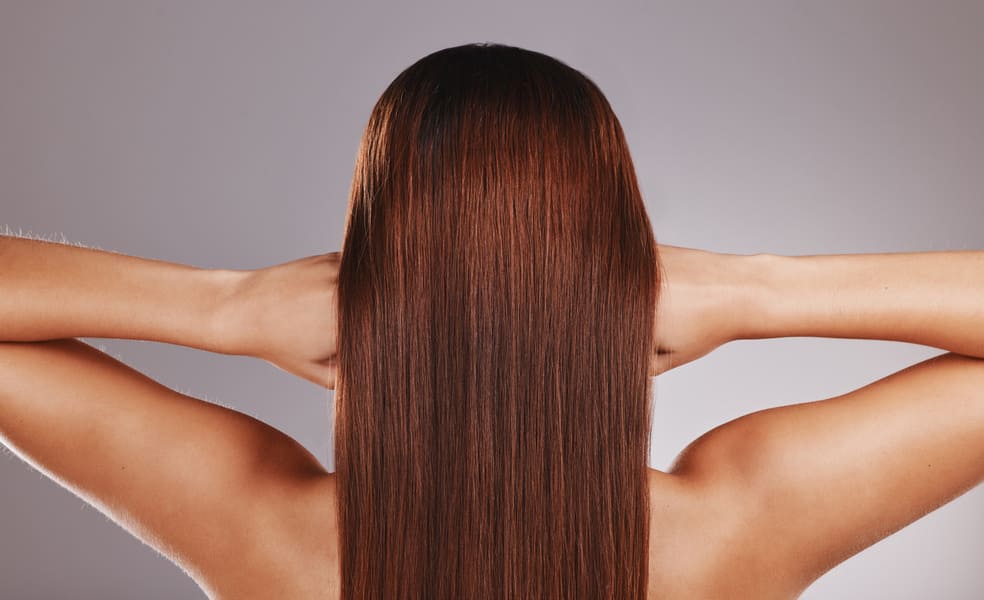
In the quest for a perfect mane, the debate between collagen vs keratin for hair has become a central focus for wellness-focused professionals and health-conscious women alike. While both are structural proteins, they serve vastly different roles in hair biology. Keratin is the “armor,” making up nearly 90% of the hair shaft and providing the physical strength and water-resistance needed to survive environmental stressors. Collagen, on the other hand, acts as the “scaffolding” or “glue” within the scalp’s dermis, where it supports the hair follicles. By understanding how these two proteins interact, you can transition from simply masking damage to fostering a resilient foundation for hair that is naturally thicker and more vibrant.
The Internal Power of Collagen
Collagen’s relationship with hair is primarily foundational and metabolic. As we age, the body’s natural production of collagen in the dermis—the middle layer of the skin that houses hair roots—begins to decline. This can lead to a weakened scalp environment, which often manifests as thinning hair or increased shedding.
The most significant benefit of collagen for hair is its amino acid profile. Collagen is rich in proline, glycine, and hydroxyproline. Proline is the main building block of keratin; therefore, when you consume high-quality hydrolyzed collagen, you are essentially providing your body with the raw materials it needs to synthesize the very keratin that keeps your strands intact. Furthermore, collagen acts as a potent antioxidant, protecting hair follicles from the oxidative stress caused by UV rays and pollution, which are known to accelerate greying and thinning.
The External Strength of Keratin
While collagen works from the inside out, keratin is the direct constituent of the hair fiber itself. It is a tough, fibrous protein that forms the protective cuticle layer. When hair is subjected to heat styling, chemical dyes, or harsh weather, the keratin bonds can break, leading to a “porous” hair shaft. This results in the common symptoms of damage: frizz, split ends, and a lack of shine.
Applying keratin topically or supporting its production internally helps to fill in these gaps, smoothing the hair cuticle and restoring its reflective luster. For those with naturally curly or coarse hair, maintaining high keratin levels is essential for manageability and “snap-back” elasticity.
Synergy: Why You Shouldn’t Have to Choose
Most hair care experts agree that the most effective routine involves a combination of both proteins.
- Collagen ensures the scalp remains elastic and the follicles are well-nourished and protected from aging.
- Keratin ensures the strands themselves are strong enough to withstand daily wear and tear.
For older adults, this dual approach is particularly important. Combining a clean collagen supplement with a keratin-supportive diet helps counteract the two-fold problem of age-related thinning and increased brittleness.
Conclusion
Ultimately, the choice between collagen and keratin depends on your specific hair goals. If you are struggling with breakage and frizz, your hair likely needs the structural repair offered by keratin. If you are noticing thinning or a lack of volume, the root of the issue may be a lack of collagen support in the scalp. By integrating premium superfoods into your daily regimen, you can address both the internal foundation and the external finish of your hair. For those seeking the highest standard of purity and scientific integrity in their beauty routine, BioOptimal Supplements offers a range of clean, effectively sourced formulas designed to empower your wellness journey from the follicle up.
