



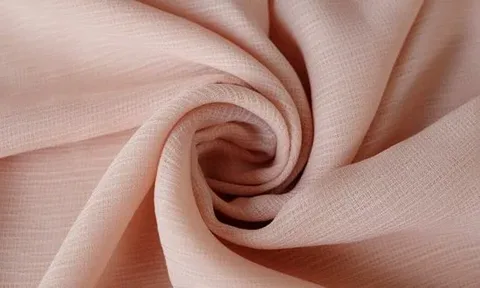
For apparel lines focused on Westernwear, choosing the right material is everything. The fabric needs to be comfortable enough for long days, stylish enough for a night out, and durable enough to last. This is where viscose fabric comes in. Its unique properties make it an excellent choice for creating modern Texan apparel that is both practical and fashionable.
Viscose offers a compelling mix of comfort, beautiful drape, and versatility that aligns perfectly with the needs of Western-style clothing. It provides the softness of natural fibers while being adaptable enough for a wide range of designs, from flowing dresses to sharp, structured shirts. For designers looking to buy fabric online, understanding the benefits of viscose is the first step toward creating a standout collection. This guide will walk you through what viscose is, why it works so well for Westernwear, and which types are best for your apparel line.
What is Viscose Fabric?
Viscose is a semi-synthetic fiber made from regenerated cellulose, which is typically derived from wood pulp. Though it starts from natural sources, it undergoes a chemical process to be turned into a fiber that can be spun into thread. This process gives viscose a unique set of characteristics.
Often referred to as rayon, viscose is known for its silk-like feel and appearance. It has a smooth texture and a lustrous finish, giving garments a high-quality look. Key properties of viscose fabric include:
- Softness: It feels exceptionally soft against the skin, similar to cotton or silk.
- Breathability: Like other cellulose-based fibers, viscose is breathable, making it comfortable to wear in warm climates.
- Drape: It has excellent drape, meaning it hangs and flows beautifully. This makes it ideal for creating garments with fluid movement, such as skirts, dresses, and blouses.
- Absorbency: Viscose is highly absorbent, which helps it wick moisture away from the body, keeping the wearer cool and dry.
- Vibrant Color: The fibers accept dye very well, resulting in rich, brilliant colors that don’t fade easily.
These properties make viscose a versatile material for designers and a comfortable choice for consumers.
Why Viscose is a Great Fit for Westernwear
The modern Westernwear aesthetic blends classic American style with contemporary comfort and function. Viscose fits seamlessly into this niche for several reasons.
Breathability and Comfort
Texas and the American West are known for their warm climates. Apparel for this region needs to be breathable to keep the wearer comfortable. Viscose excels here. Its ability to allow air to circulate and wick moisture makes it perfect for everything from everyday shirts to special occasion outfits. A lightweight viscose blouse or dress can feel cool and pleasant even on a hot day.
Exceptional Drape for Classic Silhouettes
Westernwear often features designs with movement and flow—think prairie dresses, ruffled blouses, and full skirts. The beautiful drape of viscose fabric enhances these silhouettes, creating garments that move gracefully with the wearer. This fluid quality adds a touch of refinement to classic Western designs, making them suitable for both casual and more formal settings.
Versatility in Design
Viscose can be manufactured to mimic the feel and texture of other fibers like silk, cotton, and wool. This adaptability allows designers to use it for a wide range of apparel. A lightweight viscose can be used for a delicate, flowing blouse, while a heavier-weight version, like viscose twill, can be used for more structured items like jackets or durable pants. This versatility means an entire collection can be built around different types of viscose.
Best Viscose Types for Apparel Lines
When you buy fabric online, you’ll find several types of viscose. For Westernwear and modern Texan apparel, certain varieties stand out for their specific qualities.
Viscose Crepe
Viscose crepe has a crinkled, textured surface that gives it a distinct look and feel. It is lightweight and has a beautiful, flowing drape, making it ideal for blouses, dresses, and skirts. The texture adds visual interest and dimension to garments, which works well with Western-inspired patterns and designs.
Viscose Twill
Viscose twill features a diagonal weave pattern, which makes it more durable and resistant to wrinkles than plain-weave viscose. It has a bit more structure while still maintaining a soft feel and good drape. This makes it a great choice for items that need more substance, such as lightweight jackets, structured shirts, and tailored trousers.
Viscose Challis
Challis is a very lightweight, plain-weave fabric known for its softness and smooth finish. Viscose challis is perfect for warm-weather clothing. Its airy feel and fluid drape make it an excellent option for casual button-down shirts, sundresses, and flowy pants that are mainstays in modern Texan wardrobes.
Modal
Modal is a high-wet-modulus (HWM) rayon, meaning it is a type of viscose that is stronger and more dimensionally stable, especially when wet. It is exceptionally soft, smooth, and resistant to shrinking and pilling. Modal blends well with other fibers like cotton and spandex, making it suitable for high-quality t-shirts, tops, and comfortable knitwear that require a bit of stretch.
Sourcing Sustainable Viscose
As consumers become more environmentally conscious, offering sustainable options is increasingly important for apparel brands. Fortunately, there are eco-friendly viscose choices available.
Look for viscose made from FSC (Forest Stewardship Council) or PEFC (Programme for the Endorsement of Forest Certification) certified forests. This ensures the wood pulp comes from responsibly managed sources.
Brands like Lenzing produce TENCEL™ Lyocell and Modal fibers through a closed-loop process. This method recycles water and reuses solvents, significantly reducing the environmental impact. Sourcing from suppliers that offer these certified materials can be a key selling point for your brand.
For those looking to buy fabric online, suppliers like Fabriclore Pvt Ltd offer a wide selection of materials, including various types of viscose and sustainable options. Fabriclore serves as a reliable source for both local and online purchases, providing quality fabrics for designers and apparel lines.
How to Care for Viscose Garments
Providing care instructions to your customers helps them maintain the quality of their clothing. Viscose requires gentle handling to preserve its shape and texture.
- Washing: It is often best to hand wash viscose in cold water or use the delicate cycle on a washing machine. Using a mild detergent is recommended.
- Drying: Avoid putting viscose in the dryer, as high heat can cause it to shrink or damage the fibers. Instead, lay the garment flat or hang it to air dry away from direct sunlight.
- Ironing: If ironing is needed, use a low to medium heat setting. It’s best to iron viscose while it’s still slightly damp or with a pressing cloth to prevent scorching.
The Right Choice for Modern Apparel
Viscose fabric offers a winning combination of style, comfort, and versatility that makes it an outstanding choice for Westernwear and modern Texan apparel. Its breathability and softness provide all-day comfort, while its beautiful drape and vibrant color potential allow for stunning designs. By selecting the right type of viscose—from crepe to twill—and considering sustainable options, you can create a high-quality collection that appeals to today’s consumer.
For apparel brands looking to source materials, exploring the wide variety of viscose fabric available from suppliers is a practical next step. With its many benefits, viscose is a material that can help define and elevate a modern clothing line.
Fabriclore highlights four main types of viscose fabric weaves on this page: Plain Weave Viscose, Twill Weave Viscose, Satin Weave Viscose, and Jacquard Weave Viscose. Plain weave viscose is described as simple, sturdy, and versatile for everyday clothing and home textiles. Twill weave viscose features a diagonal rib for added durability, making it suitable for trousers, jackets, and other hard‑wearing garments. Satin weave viscose offers a glossy, smooth, high–thread count surface ideal for eveningwear and lingerie. Jacquard weave viscose incorporates intricate woven patterns, used for upscale garments, decorative pieces, and couture applications.
Fabriclore is a leading B2B fabric sourcing platform dedicated to empowering fashion designers, apparel manufacturers, and clothing brands worldwide. With 10+ years of experience in the textile industry, we have built a trusted network that connects creativity with high-quality fabrics, ensuring seamless and efficient sourcing for every scale of production.
Our extensive collection includes natural fibers like cotton fabric, linen fabric, and silk fabric; man-made fibers such as viscose and polyester; along with sustainable options like LENZING™, LIVA™, BEMBERG™ Cupro, and organic cotton.
We offer four key services tailored to meet every design and production need:
- Dyeable Fabric – Woven RFD & greige, sustainable, and knitted fabrics.
- Dyed Fabric – Mill dyed, yarn dyed, Schiffli, and denim fabrics.
- Made To Order – Digital printing, screen printing, block printing, and dyeing solutions.
- Ready Stock – Block, screen, Ikat, tweed, and jacquard fabrics.
Explore our diverse range of custom-printed, ready mill-dyed, and yarn-dyed fabrics to find the perfect match for your next collection.
For personalized assistance or inquiries, reach out to us at [email protected].
Experience seamless, authentic, and affordable fabric sourcing with Fabriclore — your trusted partner with over a decade of expertise in the global textile industry.
