



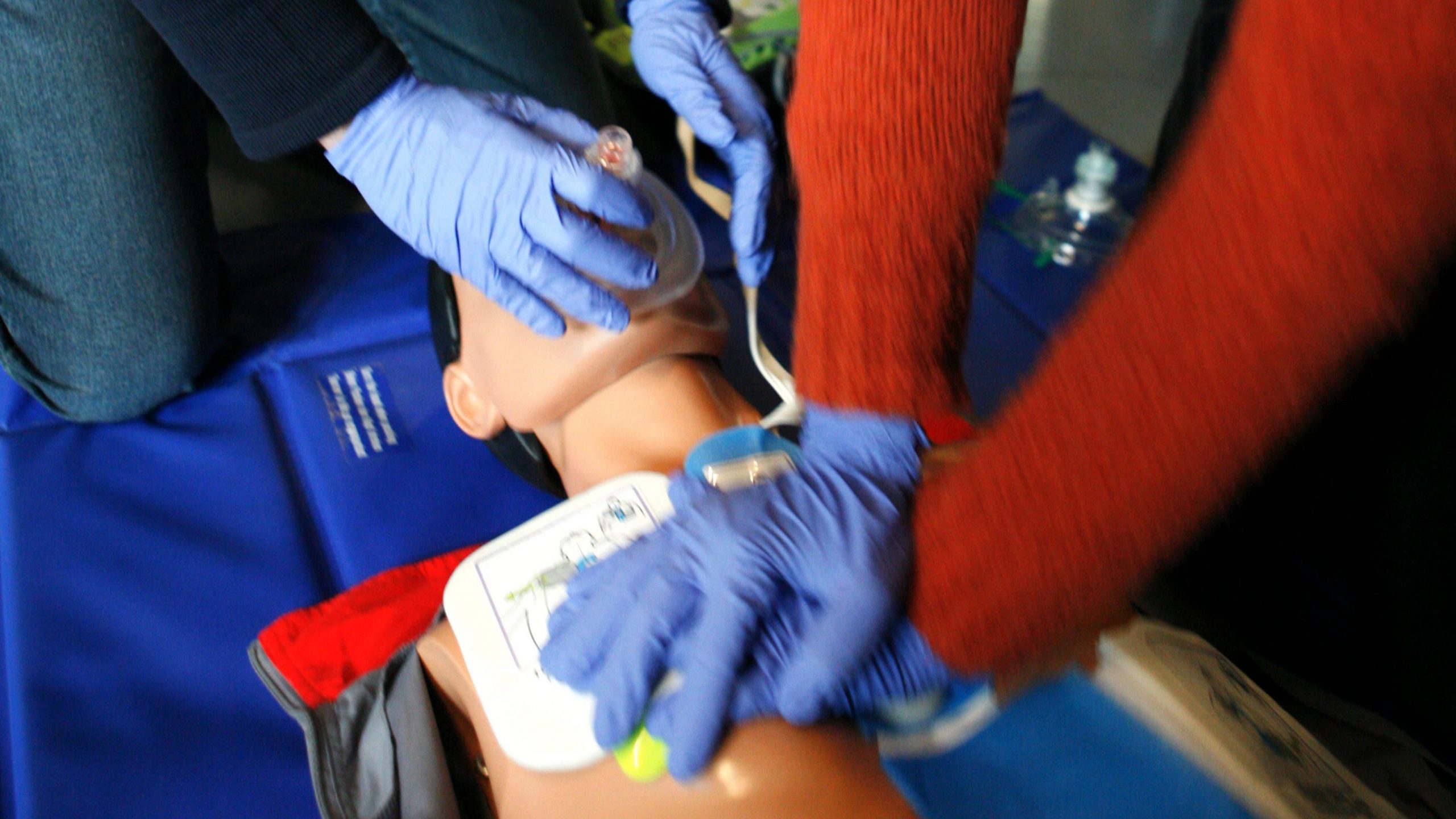
Effective CPR is critical for saving lives, especially in emergency situations. One question that often arises during CPR practice is when should rescuers switch positions during CPR? The answer is crucial because fatigue can significantly decrease the effectiveness of chest compressions, which are the cornerstone of CPR. This article will explore the best practices for switching positions during CPR and why it’s essential for maintaining the quality of the life-saving procedure.
Why Switching Positions Is Important in CPR
CPR requires a high level of physical exertion, especially during chest compressions. If the same person continues performing compressions for an extended period, they can become fatigued. Fatigue leads to a decrease in the depth and rate of compressions, both of which are essential for circulating blood to vital organs. Therefore, switching positions ensures that chest compressions are consistently high-quality, which directly impacts the patient’s survival chances.
When rescuers switch positions, it allows each person to recover briefly, ensuring they can continue delivering strong, effective compressions. This is especially important in cases where the patient is in a prolonged arrest situation, and high-quality compressions are needed for extended periods.
When Should Rescuers Switch Positions?
The general guideline for switching positions is every 2 minutes. Research and CPR guidelines recommend that rescuers rotate every 2 minutes to prevent fatigue from affecting compressions. However, there are other factors that can influence the timing of switching, such as the level of exhaustion of the rescuer, the duration of the emergency, and the environment.
In situations where the person performing CPR feels tired earlier, it’s essential to switch sooner. Continuous effective chest compressions are vital for improving the patient’s chances of survival, so timely switches are crucial.
How to Effectively Switch Positions During CPR
Switching positions should be done quickly and without interrupting chest compressions. Communication between rescuers is key. One rescuer should call out when it’s time to switch, and the other should be ready to take over immediately. This ensures a smooth transition without any interruption in the flow of compressions.
A good strategy is to position the rescuer who will take over directly at the head or chest of the patient. When it’s time for the switch, the person delivering compressions should move aside quickly, and the new rescuer should begin compressions immediately. This reduces the time without compressions to a minimum.
The Benefits of Switching Positions Regularly
Switching positions regularly has several benefits. Most importantly, it prevents rescuer fatigue, ensuring that compressions remain consistent and effective. Fatigue affects the depth and rate of compressions, which can reduce the chances of a successful outcome for the patient. By switching positions every 2 minutes or as needed, rescuers can maintain effective compressions, which improves the likelihood of saving the patient.
Regularly switching also gives each rescuer brief rest periods, allowing them to continue delivering high-quality compressions for longer periods. This method has been shown to improve outcomes, especially in prolonged resuscitation efforts.
Conclusion
Knowing when to switch positions during CPR is crucial for rescuers to maintain the effectiveness of chest compressions. Effective CPR requires strength, endurance, and coordination, and switching positions regularly ensures that the quality of compressions remains high. To learn more about CPR techniques and get certified, visit Simple CPR. We offer online CPR, BLS, and first aid training to help you be prepared in case of an emergency.
