



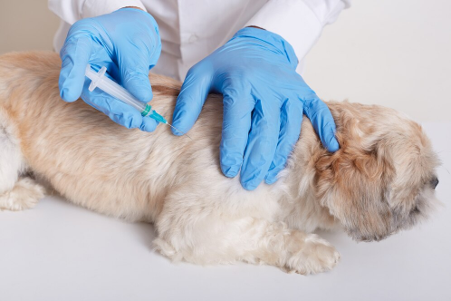
Animal vaccinations are a cornerstone of preventive veterinary medicine, playing a critical role not only in safeguarding animal health but also in ensuring the sustained success of veterinary hospitals. In today’s increasingly health-conscious society, the demand for comprehensive animal care continues to grow, making vaccination protocols an essential aspect of veterinary practice management. This article explores why animal vaccinations are vital for the operational and clinical success of veterinary hospitals.
Protecting Animal Health and Preventing Disease Outbreaks
At the heart of animal vaccinations lies the goal of preventing infectious diseases that can affect pets and livestock alike. Vaccines stimulate the immune system to develop protection against specific pathogens, reducing the risk of severe illnesses or outbreaks. Veterinary hospitals rely on vaccination programs to maintain a healthy patient population, which directly impacts treatment outcomes and client satisfaction.
By effectively controlling common and potentially deadly diseases such as rabies, parvovirus, distemper, and feline leukemia, veterinary hospitals help to preserve animal welfare. Preventing disease outbreaks through vaccination also reduces the need for costly treatments and hospitalizations, allowing veterinary professionals to allocate resources more efficiently and improve overall patient care.
Building Client Trust and Enhancing Hospital Reputation
Offering robust vaccination services is a key factor in establishing trust between veterinary hospital and pet owners. When clients see their animals protected through regular immunizations, they are more likely to view the hospital as a reliable and competent provider of preventive care. This trust fosters stronger client relationships, encouraging ongoing visits and adherence to recommended health protocols.
Furthermore, veterinary hospitals that emphasize the importance of animal vaccinations often develop a reputation for proactive and comprehensive care. This reputation attracts new clients who prioritize preventive health measures, thereby expanding the hospital’s patient base. Maintaining a strong vaccination program also demonstrates the hospital’s commitment to community health, which is increasingly valued by pet owners and animal welfare advocates alike.
Ensuring Compliance with Legal and Regulatory Standards
In many regions, animal vaccinations are not only recommended but legally mandated, particularly for diseases with public health implications such as rabies. Veterinary hospitals play a crucial role in ensuring that pet owners comply with these regulations, helping to prevent zoonotic disease transmission and safeguarding public health.
By administering vaccinations in accordance with local laws and guidelines, veterinary hospitals protect themselves from legal liabilities and enhance their professional credibility. Compliance also involves keeping accurate vaccination records, which are essential for animal identification, travel, and shelter admission. Thus, vaccinations support both regulatory adherence and smooth operational workflows within the hospital setting.
Promoting Preventive Care as a Core Service
Vaccination programs offer veterinary hospitals an opportunity to promote preventive care as a fundamental aspect of animal health management. Preventive medicine, including vaccinations, wellness exams, and parasite control, reduces the incidence of chronic and acute diseases, improving animals’ quality of life and longevity.
Hospitals that integrate animal vaccinations into a broader preventive care strategy benefit from increased client engagement and better health outcomes. Preventive care visits provide additional touchpoints for veterinarians to educate clients on nutrition, behavior, dental health, and other vital topics. This holistic approach not only enhances patient health but also creates a sustainable business model by encouraging routine visits and service utilization.
Supporting Financial Stability and Growth
From a business perspective, animal vaccinations contribute significantly to the financial stability of veterinary hospitals. Vaccinations represent a recurring revenue stream, as animals require boosters at regular intervals throughout their lives. This predictability allows hospitals to plan and allocate resources effectively.
Additionally, vaccination visits often serve as gateways to other essential veterinary services, such as diagnostic testing, parasite prevention, and minor treatments. By integrating vaccination protocols into routine health assessments, veterinary hospitals can increase service uptake and overall client spending, thereby supporting growth and profitability.
Conclusion
Animal vaccinations are indispensable to the success of veterinary hospitals, serving multiple roles from protecting animal health to enhancing client trust and ensuring regulatory compliance. A strong vaccination program forms the backbone of preventive veterinary care, helping hospitals maintain healthy patient populations while fostering long-term client relationships. Moreover, vaccinations provide financial benefits and support the sustainable growth of veterinary practices. As veterinary medicine continues to evolve, animal vaccinations will remain a fundamental pillar supporting both clinical excellence and operational success.
